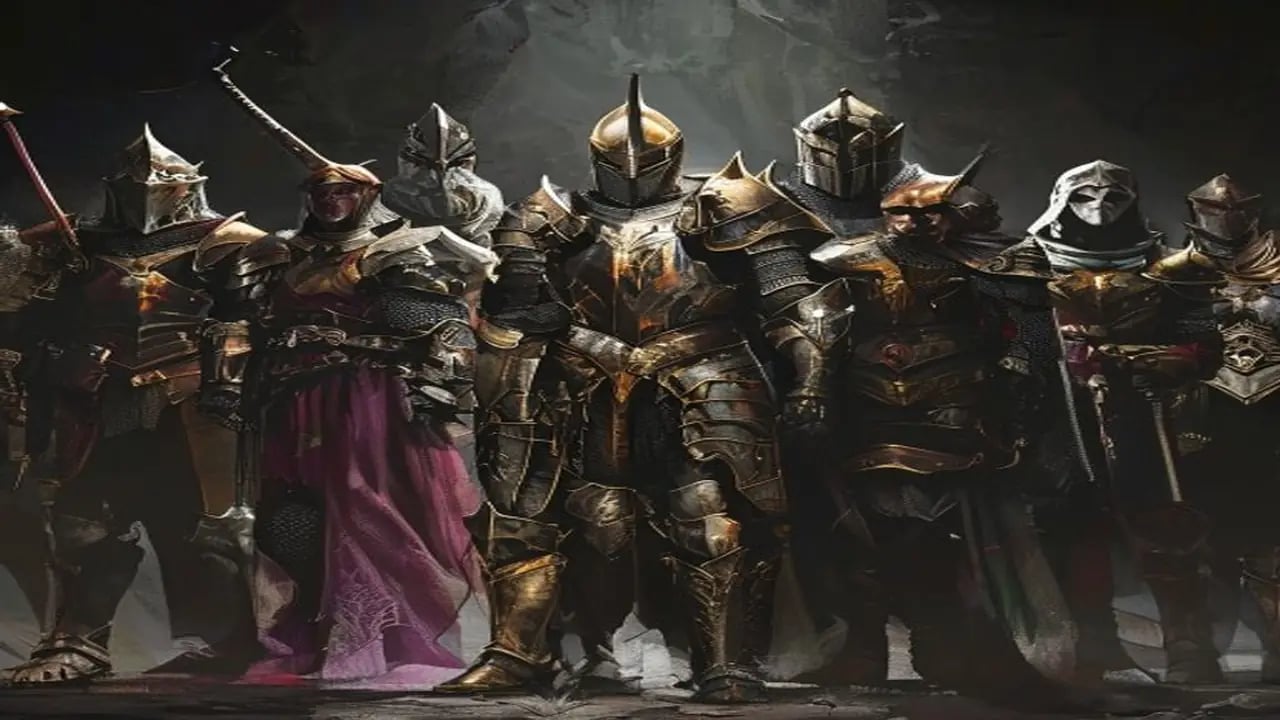
Fantasy character design is one of Midjourney's strongest capabilities. Game developers, Dungeon Masters, writers, and digital artists use Midjourney to create character concept art that rivals professional illustration studios. This collection at https://www.promptspace.in/images?category=fantasy gives you 100 prompts across every major fantasy archetype, tested and refined for maximum quality.
How to use fantasy character prompts in Midjourney: add --ar 2:3 for full-body character portraits. Add --style raw if you want the character standing alone with minimal background. Use --stylize 500-750 for maximally aesthetic fantasy art. Add 'full body character sheet, front view, white background' if you need a character reference suitable for 3D modelling or game asset creation.
Fantasy character design in Midjourney benefits enormously from naming specific concept art studios and games as style references. 'In the style of Blizzard Entertainment concept art' invokes a specific epic, polished aesthetic. 'Magic: the Gathering card art style' produces detailed figurative fantasy illustration. 'Dark Souls boss concept art' creates ominous, heavily detailed dark fantasy. These references are understood by Midjourney's training data.
Prompt 1 — Elven ranger: Dynamic fantasy character concept art, elven ranger female, flowing silver-white hair, green eyes, lithe athletic build wearing fitted leather armour with leaf motifs, longbow drawn, quiver of arrows on back, ancient forest background at dusk, dappled golden light, highly detailed armour craftsmanship, Blizzard Entertainment concept art style, epic fantasy illustration.
Prompt 2 — Dark knight: Dark fantasy concept art, armoured knight character, full plate armour in blackened steel with burning orange ember cracks in the joints, demonic horned helmet, wielding a massive two-handed greatsword, dramatic red sky behind, ash and embers in the air, character portrait for dark fantasy CRPG game, inspired by Dark Souls art direction, ominous imposing presence.
Prompt 3 — Archmage: Fantasy character portrait, ancient archmage wizard, long silver beard, deep blue robes covered in astronomical symbols, ornate magical staff with swirling arcane energy at the tip, imposing and wise expression, magical library environment in the background, floating spell books and glowing runes surrounding the character, highly detailed embroidery, D&D wizard character concept art.
Prompt 4 — Rogue assassin: Character concept art, half-elven rogue assassin, dark fitted leather armour with hood partially covering face, dual daggers with poisoned blades, crouching in city rooftop at night, moonlit urban fantasy environment, exceptional detail in the armour and weapons, shadows and light interplay, Assassin's Creed meets D&D aesthetic, moody cinematic composition.
Prompt 5 — Druid shapeshifter: Fantasy character design, nature druid, young woman with antlers growing from her hair, wearing rough spun robes with living vines and flowers woven into the fabric, glowing green eyes, standing in an ancient sacred grove, fireflies surrounding her, Celtic knotwork tattoos visible on her arms, Forest Ghibli nature magic aesthetic, warm emerald colour palette.
Expanding character complexity with Midjourney: add 'character sheet with multiple views' to get front, side, and back reference views in one image. Add 'expression sheet' to get multiple emotional expressions. Add 'equipment reference sheet' to see all weapons and accessories. Add 'colour palette reference included' to get the colour scheme documented in the image.
Character archetype vocabulary for prompts: Warrior types: knight, paladin, berserker, samurai, legionnaire. Magic users: archmage, warlock, druid, healer, alchemist. Stealthy types: rogue, assassin, ranger, spy, shadow monk. Unique: necromancer (undead-commanding), bard (performance and magic), artificer (steampunk inventor). Each archetype triggers different visual conventions in Midjourney's training data.
For tabletop RPG (D&D, Pathfinder) character art: add 'D&D 5e character art, official art book style' to match the aesthetic of official Wizards of the Coast artwork. Specify the character's class, race, level-based features (a level 20 wizard looks different from a level 1 one), and background story hints in the environment. Many DMs commission AI art at $0 cost for their custom campaigns using these prompt structures.
Game dev applications: indie game developers use Midjourney character concepts for pitch decks, Kickstarter campaigns, and early prototype art before having the budget for a full art team. The concept art establishes the visual direction. When you hire artists later, they have a clear reference to build from. This saves enormously on the costly 'art direction by committee' phase of game development.
Using fantasy character art commercially: for game development and commercial publishing, you need a paid Midjourney plan (Basic or above) which grants commercial rights. Non-commercial fan art, personal D&D campaigns, and creative writing reference images are fine on any plan. Always check Midjourney's current terms of service for the latest commercial use guidance.
Browse all 4,000+ free AI prompts at https://www.promptspace.in — including fantasy art, sci-fi concepts, and character design collections. Related: Midjourney Tattoo Design Prompts at https://www.promptspace.in/blog/50-ai-prompts-tattoo-designs-midjourney-dalle and complete Midjourney v6 guide at https://www.promptspace.in/blog/midjourney-v6-complete-guide.
What makes these prompts effective is their ability to spark creativity while providing enough detail to guide the AI in generating vivid and unique fantasy characters. They balance specificity with openness, allowing for diverse interpretations that can inspire original designs. By combining elements like character traits, environments, and artistic styles, these prompts help produce rich and compelling concept art.
To customize these prompts for different results, try tweaking key descriptors such as the character's mood, attire, or setting. Experiment with adding or removing adjectives, changing the art style, or specifying different cultural influences. This flexibility lets you tailor the output to fit your project’s tone, whether it’s dark fantasy, whimsical, or epic adventure.
A common mistake when using these prompts is being either too vague or overly detailed, which can confuse the AI or limit creativity. Avoid using contradictory terms or cluttering prompts with too many unrelated elements. It’s also important not to rely solely on the prompt; iterating and refining based on generated results is key to achieving the best outcome.
For advanced variations, consider incorporating narrative elements like backstory hints or emotional states to add depth to your characters. You can also experiment with combining multiple prompts or layering different art techniques such as chiaroscuro lighting or surrealism. Using specific artist references or time periods can further enhance the uniqueness of your concept art.
Another powerful technique is to use negative prompts to exclude unwanted features or styles, helping to focus the AI’s creativity. Additionally, adjusting parameters like aspect ratio, detail level, and color palette can dramatically change the visual impact. These methods allow for greater control and refinement in the character design process.
Remember that the AI is a collaborative tool—each prompt is just a starting point. Don’t hesitate to iterate by modifying prompts based on what the AI produces, combining elements from different outputs, or even manually editing images to perfect your vision. This iterative process often leads to the most striking and personalized fantasy characters.
By experimenting with these prompts and techniques, you’ll discover new possibilities and push the boundaries of your creativity. Embrace the unexpected results as opportunities to explore fresh ideas and styles. The more you play with the prompts, the more you’ll develop a unique visual language for your fantasy character designs.
In summary, these 100 prompts serve as a versatile foundation to ignite your imagination and guide your concept art journey. Use them as a launchpad to experiment, customize, and refine your creations. With patience and creativity, you can unlock endless potential and bring fantastical characters to life like never before.