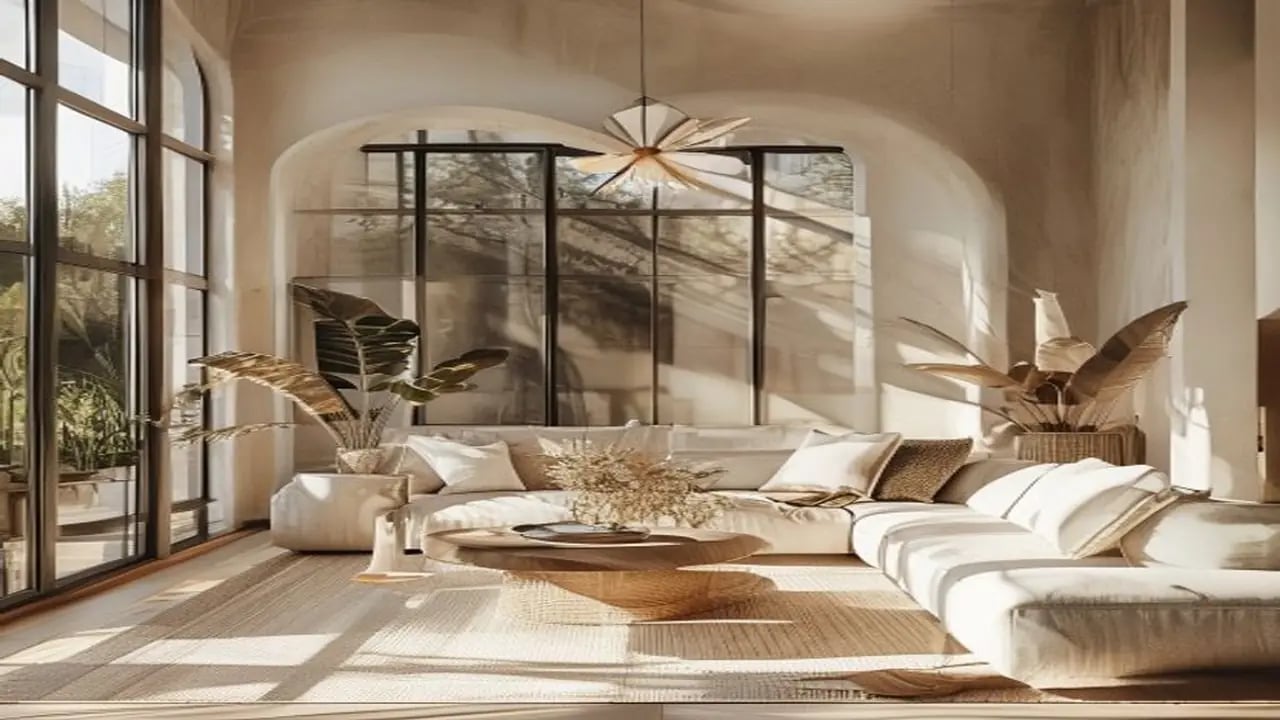
Interior designers, architects, and homeowners are using Midjourney to visualise spaces before spending a single dollar. Instead of paying $2,000 for architectural renderings, you can generate 50 design concepts in an afternoon using the right prompts. This collection at https://www.promptspace.in/images?category=architecture gives you 100 prompts covering every room type and architectural style.
How to use interior design prompts: add --ar 16:9 for wide interior shots that show the full room. Add --stylize 200-400 for enhanced aesthetics. Add --quality 2 for maximum detail. For photorealistic results, include 'architectural photography, professional interior photography' in your prompt. For concept mood boards, add 'architectural illustration, design concept' instead.
Interior photography has its own set of quality vocabulary that Midjourney responds to: 'professional interior photography', 'architectural visualization', 'designed by [famous architect/studio]', 'featured in Architectural Digest', 'HGTV style renovation', 'Scandinavian interior design'. Each creates a different style register from the same basic room description.
Prompt 1 — Modern minimal bedroom: Architectural photography of a minimalist master bedroom, white walls with warm oak wood accents, low platform bed with linen bedding in warm cream, large floor-to-ceiling window with sheer curtains and morning light, polished concrete floor, single sculptural pendant light, potted fiddle leaf fig plant, designed by Norm Architects, photorealistic, professional interior photography.
Prompt 2 — Industrial kitchen: Interior photography of a large open-plan kitchen, industrial loft aesthetic, exposed brick wall behind open shelving with styled ceramics, island with black marble countertop, pendant lights with Edison bulbs, polished concrete floors, professional chef-grade stainless appliances, warm evening light, design featured in Elle Decor, photorealistic visualization.
Prompt 3 — Japandi living room: Japandi style living room, fusion of Japanese minimalism and Scandinavian hygge, low Japanese-style sofa with natural linen cushions, shoji-inspired room divider, warm bamboo flooring, bonsai tree on low side table, single beam of afternoon window light creating shadows, muted palette of warm whites and natural wood tones, professional architectural photograph.
Prompt 4 — Modern home office: Professional home office space, double height ceilings, large arched window overlooking a garden, built-in bookshelves covering one full wall, walnut desk with minimalist setup, Eames lounge chair, natural light architectural photography, designed by Studioilse, focus on creating an inspiring productive environment, 4K architectural rendering quality.
Prompt 5 — Luxury bathroom: Architectural interior photography of a luxury spa bathroom, large format marble tiles floor to ceiling, freestanding soaking bathtub with floor-mounted black fixtures, double floating vanity with underlit stone surface, frameless glass shower enclosure, natural light through a skylight, indoor potted plants, five-star hotel aesthetic, Architectural Digest editorial quality.
Exterior and architectural facade prompts: 'Contemporary residential facade, blackened steel and glass, two-story, Japanese garden in the foreground, overcast sky, architectural photography.' For more dramatic results: 'Architectural visualization of a brutalist cultural centre, weathered concrete with geometric shadows at golden hour, designed by Tadao Ando, photorealistic rendering.' Name dropping famous architects (Zaha Hadid, Bjarke Ingels, Kengo Kuma) strongly influences the style output.
Style modifiers that transform interiors: 'wabi-sabi aesthetic' (imperfect natural beauty), 'maximalist design' (layered patterns, rich colours, collected objects), 'Palm Springs mid-century modern' (clean lines, flat roof, desert plants), 'French country cottage' (stone walls, exposed beams, floral upholstery), 'luxury tropical resort villa' (natural materials, pool views, outdoor-indoor flow).
Using generated images professionally: interior designers use Midjourney outputs as client mood boards early in the design process before committing to expensive materials. Architects use them for initial client presentations. Real estate developers use them for pre-construction marketing. Homeowners use them to show contractors their vision. Always label generated images as 'AI visualisation concept' when presenting to clients.
Can I use these for commercial projects? Yes, on paid Midjourney plans. Architects and interior designers use AI visualisations commercially as concept tools, not final deliverables. Final technical drawings must be done with proper architectural CAD software. The AI images are for communication and ideation.
Explore more architecture and interior design prompts at https://www.promptspace.in and read the complete Midjourney guide at https://www.promptspace.in/blog/midjourney-v6-complete-guide and interior design AI tips at https://www.promptspace.in/blog/ai-interior-design-guide-2026.
These prompts are effective because they are carefully crafted to inspire creativity while providing clear guidance to the AI. They balance specificity with flexibility, allowing Midjourney to generate detailed and visually compelling interior design and architectural concepts. By focusing on key elements such as style, materials, lighting, and ambiance, these prompts help produce images that are both imaginative and relevant to professional or personal projects.
To customize these prompts for different results, try adjusting the style descriptors, time periods, or cultural influences to better match your vision. You can also experiment with adding or removing certain details like color schemes, textures, or architectural features to steer the AI in new directions. Combining elements from multiple prompts or incorporating your own keywords can further personalize the outputs and unlock unique design ideas.
A common mistake when using these prompts is being either too vague or overly complex, which can confuse the AI and lead to less coherent images. Avoid piling on too many contradictory details or unrealistic expectations that might hinder the generation process. Additionally, neglecting to iterate and refine prompts based on initial results can limit the quality and relevance of the final images.
For advanced variations, consider using prompt weighting to emphasize certain aspects over others, or incorporate negative prompts to exclude unwanted features. You can also experiment with different aspect ratios, resolutions, and stylization parameters to tailor the visual output. Layering prompts with thematic or conceptual keywords can create richer and more nuanced designs that push the boundaries of Midjourney’s capabilities.
Another technique is to use Midjourney’s remix mode or seed parameters to explore variations of a base design, allowing you to maintain a consistent theme while discovering diverse interpretations. Combining AI-generated images with manual editing tools can also enhance the final presentation and help refine ideas further. These approaches enable a more interactive and iterative creative process.
When customizing prompts, it’s helpful to keep a prompt journal where you record what changes produce which effects. This practice makes it easier to replicate successful results or build upon previous experiments. Remember that patience and persistence are key, as even small tweaks can significantly impact the generated imagery.
Avoid relying solely on default or generic prompts without tailoring them to your specific project needs. Overusing the same prompts without variation can lead to repetitive and uninspired outputs. Instead, use these prompts as a foundation and continuously adapt them to reflect evolving design trends, personal preferences, or client requirements.
In summary, these prompts offer a powerful starting point for exploring interior design and architecture through AI. By experimenting with customization, avoiding common pitfalls, and applying advanced techniques, you can unlock a wide range of creative possibilities. Embrace the process as a collaborative journey between your vision and the AI’s capabilities, and don’t hesitate to push boundaries and try new ideas.