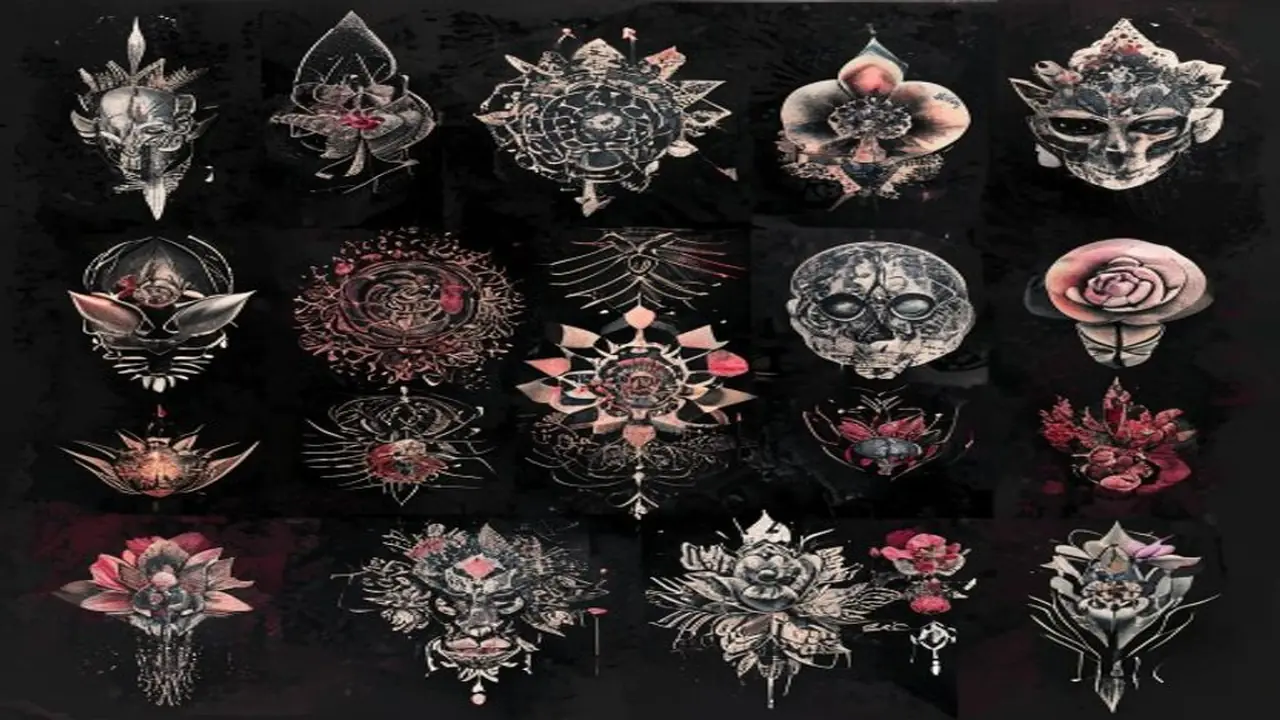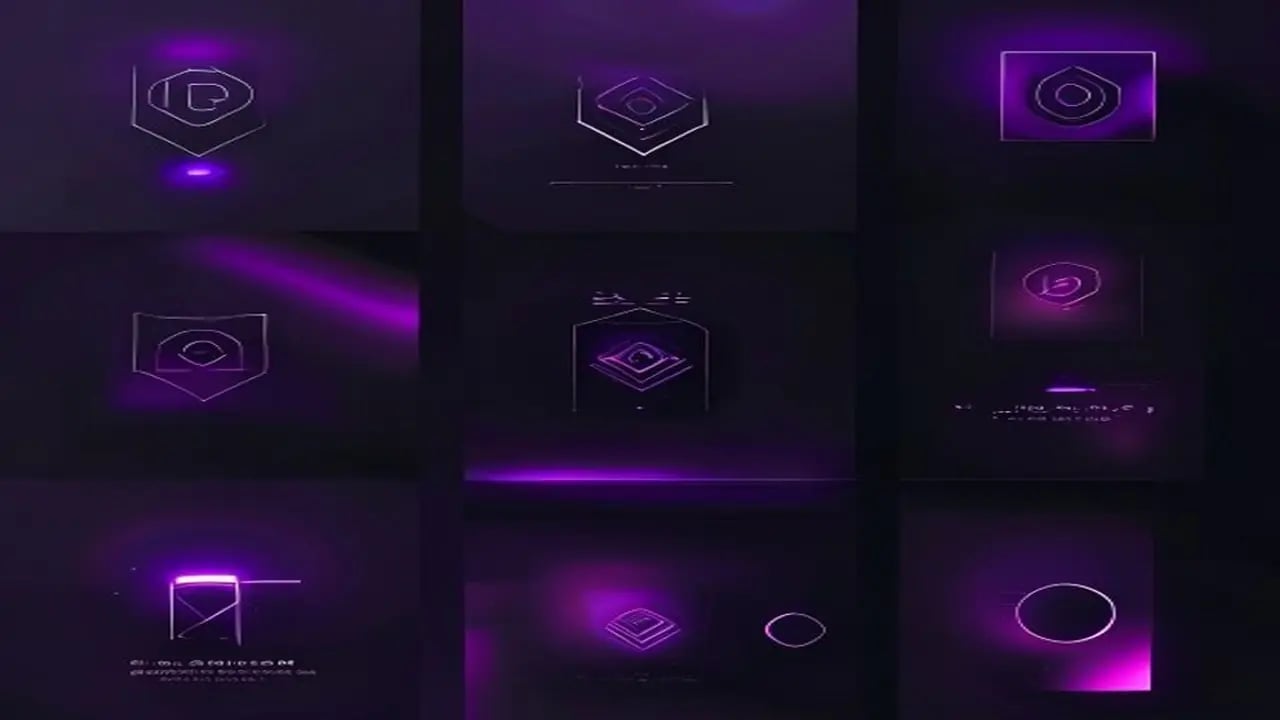
Professional logo design costs $500-5,000 from a freelance designer. AI can't replace a skilled designer, but it can generate dozens of logo concepts in minutes for client mood boarding, rapid prototyping, and design inspiration. This collection at https://www.promptspace.in/images?category=logo gives you 75 Midjourney prompts tested specifically for logo generation.
Logo generation tips for Midjourney: add --no background, text, shadows, 3D effects to get clean flat logo marks suitable for vectorising. Use --style raw to reduce Midjourney's artistic interpretation. Add --niji 6 for Japanese-influenced graphic styles. Specify 'vector style, flat design, single colour' for logos that are easy to reproduce across all media.
Midjourney generates logo concepts best when you're specific about the business type, the style reference, and the output format. Generic prompts ('make a logo for a coffee shop') produce generic results. Specific prompts that reference design movements or notable brands ('minimal wordmark in the style of Helvetica-era Swiss graphic design') produce much more usable concepts.
Prompt 1 — Tech startup icon: Minimal geometric logo mark for a technology startup, single continuous line forming an abstract letter P, modern clean vector style, suitable for app icon, dark navy blue on white, Figma Framer aesthetic, professional startup branding, clean SVG style, no gradients, no shadows.
Prompt 2 — Coffee brand: Hand-drawn coffee shop logo, vintage badge style, circular composition, steam rising from a cup forming mountain peaks in the negative space, 'SUMMIT COFFEE' text arc at top, bold serif lettering, worn texture, single-colour dark brown, americana vintage poster aesthetic, suitable for small batch roaster branding.
Prompt 3 — Luxury fashion: Elegant luxury brand logo mark, minimal interlocking abstract letterform from letters L and V, ultra-thin line weight, gold on black, monogram style, high fashion aesthetic, similar to Bottega Veneta or Loro Piana brand visual identity, pure vector style, no details, just the monogram.
Prompt 4 — Tech SaaS wordmark: Clean modern wordmark logo for a B2B SaaS company, geometric sans-serif typeface, lowercase letters, small square icon integrated into the letter O, blue and white colour palette, Intercom or Notion visual identity style, minimal and trustworthy, suitable for both light and dark backgrounds.
Prompt 5 — Organic food brand: Organic food brand logo, illustrated leaf incorporated into the letter G, hand-drawn botanical illustration style, warm green and cream colour palette, natural and artisanal aesthetic, suitable for farmers market packaging, clean lines with imperfect organic texture, eco-friendly brand identity.
Logo generation workflow for designers: generate 20-30 rapid concepts using varied prompts (different styles, different icon approaches). Identify the 3-5 most promising directions. Refine those with more specific prompts. Export the best concepts and vectorise in Adobe Illustrator or Inkscape (use Image Trace). Present the vectorised versions to clients as concept directions. This process that took 3 days now takes 3 hours.
Common logo types and their prompts: Wordmark (text only, no icon): specify 'wordmark logo, custom lettering, no icon'. Lettermark (initials only): 'monogram logo, letters [X][Y], geometric construction'. Icon/Pictorial mark: 'brand icon logo, no text, single symbol'. Combination mark: 'logo with icon and wordmark, balanced composition'. Emblem: 'badge logo, text enclosed in shape, traditional emblem style'.
What Midjourney cannot reliably do for logos: it struggles with specific text rendering (letter spacing, specific typeface replication), colour accuracy for Pantone matches, and perfect geometric symmetry. Use these outputs as concept references and rebuild the final logo properly in vector software. Never use a Midjourney image directly as a logo — always redraw.
Using AI logos commercially: you need to verify the generated design doesn't accidentally replicate an existing trademarked logo. Run any final concept through a trademark search (USPTO TESS, EUIPO, or a trademark attorney) before committing. AI-generated logos are not inherently copyright-free or trademarked-free just because they were generated by AI.
More branding and logo prompts at https://www.promptspace.in. Related: Midjourney v6 prompts guide at https://www.promptspace.in/blog/midjourney-v6-complete-guide and AI branding ideas at https://www.promptspace.in/blog/ai-brand-identity-prompts.
What makes these prompts effective is their ability to combine clear, descriptive language with creative flexibility. By specifying styles, colors, themes, and emotions, the prompts guide Midjourney to generate focused and relevant logo concepts. This balance ensures that the AI produces designs that are both visually appealing and aligned with branding goals.
To customize these prompts for different results, try adjusting the style descriptors, color palettes, or industry-specific keywords. Experiment with adding or removing details like texture, mood, or typography style to see how the AI interprets the changes. This approach helps tailor the output to better fit unique brand identities or creative visions.
A common mistake when using these prompts is being either too vague or overly complex. Vague prompts may yield generic or unrelated images, while overly detailed prompts can confuse the AI and produce cluttered results. Striking the right balance with concise yet descriptive language is key to getting high-quality outputs.
Advanced variations include combining multiple styles or incorporating unconventional elements like abstract shapes or futuristic themes. You can also experiment with prompt chaining, where you use the output of one prompt as the input for another to refine and evolve the design. These techniques push the boundaries of what Midjourney can create for logo design.
Another technique is to specify the desired composition or focus, such as emphasizing symmetry, minimalism, or negative space. Including references to famous design movements or artists can also influence the style and mood of the generated logos. These nuanced instructions help in achieving more sophisticated and unique branding visuals.
Remember to leverage Midjourney’s parameters like aspect ratio, quality, and stylization settings to further control the output. Adjusting these parameters alongside your prompt text can significantly impact the detail, clarity, and artistic flair of the logos. Combining prompt customization with parameter tweaks unlocks a wider range of creative possibilities.
Avoid relying solely on the AI-generated results without critical evaluation. Always review and refine the designs to ensure they meet your brand’s standards and practical requirements, such as scalability and legibility. Using Midjourney as a starting point rather than a final solution will lead to more professional and effective branding outcomes.
In summary, these prompts offer a powerful foundation for exploring logo design and branding with AI assistance. By experimenting with customization, avoiding common pitfalls, and applying advanced techniques, you can unlock a diverse array of creative possibilities. Embrace the process as a collaborative journey between your vision and the AI’s capabilities.