This is the one mistake I see people make over and over - and it's the easiest one to fix. You generate a gorgeous portrait in Midjourney, post it to Instagram, and half the subject's face gets cropped off. Or you make a cinematic landscape that gets slapped with black bars on your website. Or your Pinterest pin flops because you used a square format when the algorithm rewards tall images. I wasted weeks early on generating images at random aspect ratios and then fighting with cropping tools afterward. Don't do that. Aspect ratio is something you set from the start - it shapes composition, subject placement, and visual impact on every platform. Here's the definitive guide for 2026.
Social Media Aspect Ratios
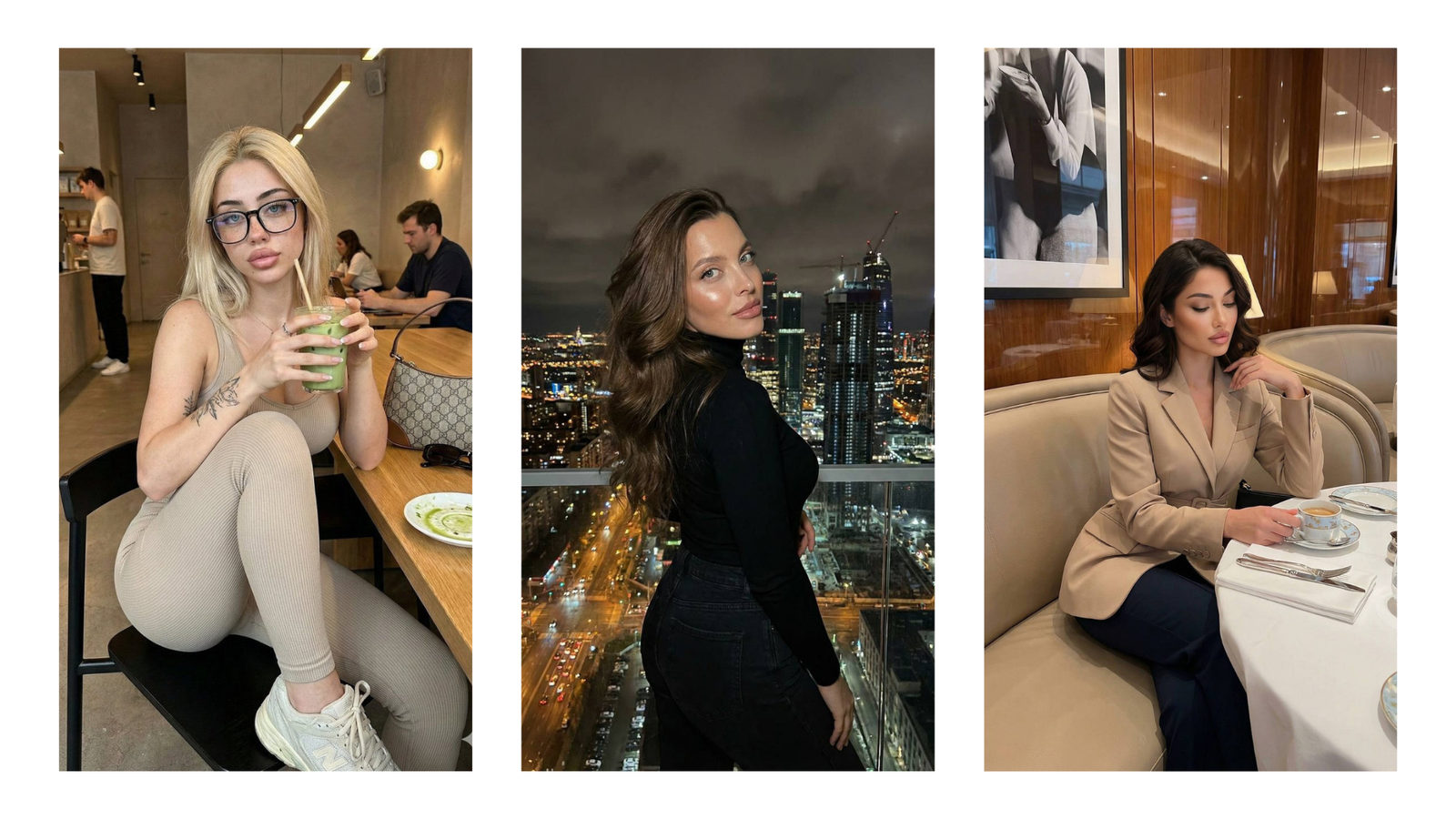
Each social media platform has an ideal aspect ratio that maximizes screen real estate and algorithmic favor. Using the right ratio means your images take up more of the viewer's screen, leading to higher engagement.Instagram Feed Post: 4:5 vertical (--ar 4:5) - this is the golden ratio for Instagram. It takes up the maximum allowed vertical space in the feed, forcing viewers to spend more time looking at your image. It outperforms both 1:1 square and 16:9 landscape for engagement. Pixel dimensions: 1080x1350.
Instagram Story / Reel: 9:16 full-screen vertical (--ar 9:16). Must fill the entire phone screen. Pixel dimensions: 1080x1920.
Instagram Profile Picture: 1:1 square (--ar 1:1). Keep the subject centered and avoid detail near the edges - the circular crop will cut them off. Pixel dimensions: 320x320 minimum.
TikTok: 9:16 vertical (--ar 9:16). Same as Instagram Stories. Pixel dimensions: 1080x1920.
Twitter/X Post: 16:9 horizontal (--ar 16:9) is the default preview crop. If you use other ratios, Twitter will center-crop to 16:9 in the timeline. Pixel dimensions: 1200x675 ideal.
LinkedIn Post: 1.91:1 or 16:9 (--ar 16:9). LinkedIn's feed shows landscape images at full width, making them more impactful than vertical or square. Pixel dimensions: 1200x628.
Pinterest Pin: 2:3 vertical (--ar 2:3) - tall pins dominate Pinterest because they take up more vertical space in the masonry grid layout. The algorithm favors 2:3 pins. Pixel dimensions: 1000x1500. Some power users go even taller at 1:2.1, but 2:3 is safest.
YouTube and Video
YouTube has multiple aspect ratio contexts depending on whether you are creating thumbnails, channel art, video content, or Shorts.YouTube Thumbnail: 16:9 (--ar 16:9) at 1280x720 minimum. Thumbnails are the single most important factor for click-through rate. Generate at higher resolution (2560x1440) and downscale for maximum sharpness. Keep the subject large and centered - thumbnails appear as small as 168x94 pixels in suggested videos, so fine details disappear.
YouTube Shorts: 9:16 (--ar 9:16) at 1080x1920. Same as TikTok and Instagram Reels. YouTube Shorts appear in their own dedicated feed and must be vertical.
YouTube Banner: 16:9 (--ar 16:9) at 2560x1440. The safe area (what displays on all devices) is only the center 1546x423 pixels. Keep important content - faces, text, logos - in this central strip. Generate a wider composition and accept that the edges will be cropped on mobile.
Cinematic Widescreen: 21:9 (--ar 21:9) for that premium movie feel. This is the aspect ratio of theatrical films and creates immediate cinematic drama. Perfect for establishing shots, dramatic landscapes, and film-still-inspired compositions. Also known as 2.35:1 or "anamorphic" widescreen.
Standard Video: 16:9 (--ar 16:9) - the universal widescreen standard for YouTube, streaming, and most displays.
Website and Print
Digital and print contexts each have their own ideal ratios, and the consequences of getting them wrong are more severe - a pixelated print cannot be fixed, and a hero banner that does not fill the section looks amateurish.Website Hero Banner: 16:9 or 21:9 (--ar 16:9 or --ar 21:9). Full-width hero sections need landscape images. Generate at 2560x1440 (16:9) or 2560x1097 (21:9) for crisp display on retina screens. Keep the subject vertically centered, as the top and bottom may be cropped on different screen sizes using CSS object-fit.
Blog Featured Image: 16:9 (--ar 16:9) at 1200x675 minimum. This ratio also works well for Open Graph social sharing previews when your article is shared on Facebook, Twitter, or LinkedIn.
Product Square: 1:1 (--ar 1:1) at 1000x1000 minimum. The standard for e-commerce product listings on Amazon, Shopify, Etsy, and most marketplaces.
Phone Wallpaper: 9:19.5 (--ar 9:20 is the closest approximation). Modern phones like iPhone 15 and Samsung Galaxy S24 use approximately this ratio. Generate at 1290x2796 for iPhone or 1440x3120 for Galaxy.
Desktop Wallpaper: 16:9 (--ar 16:9) at 3840x2160 (4K) or 2560x1440 (2K). For ultrawide monitors, use 21:9 at 3440x1440 or 5120x2160 for 5K ultrawide.
A4 Print (210x297mm): The ratio is 1:1.414. The closest standard AI ratio is --ar 5:7. For 300 DPI printing, you need 2480x3508 pixels - this usually requires upscaling your AI output using Real-ESRGAN or Topaz Gigapixel.
Poster (various sizes): 2:3 (--ar 2:3) works for most standard poster sizes. 24x36 inch at 300 DPI requires 7200x10800 pixels - definitely requires multi-step upscaling.
Platform-Specific Commands
Each AI generator handles aspect ratios differently, and knowing the exact syntax prevents frustrating trial and error.Midjourney: Add --ar W:H at the end of your prompt (e.g., "--ar 16:9", "--ar 4:5", "--ar 21:9"). Midjourney supports virtually any ratio and will generate at the closest resolution internally.
Stable Diffusion (A1111): Set width and height in pixels directly. Common presets: 1344x768 for 16:9, 832x1216 for 2:3, 1024x1024 for 1:1, 896x1152 for 4:5. SDXL works best at total resolutions near 1024x1024 (approximately 1 megapixel). Going too large causes artifacts; going too small loses detail.
Stable Diffusion (ComfyUI): Set dimensions in the Empty Latent Image node. The same resolution guidelines apply as A1111.
DALL-E 3: Currently offers three options - square (1024x1024), landscape (1792x1024), and portrait (1024x1792). Limited compared to other tools, but you can upscale and crop afterward.
FLUX: Specify exact pixel dimensions in API calls through Replicate, fal.ai, or Together.ai. FLUX handles various resolutions well, but best results are near 1024x1024 total megapixels.
Pro Tips for Perfect Aspect Ratios
Generate native, do not crop. Always generate in the target aspect ratio rather than generating a square image and cropping it later. AI art is composed for the generated ratio - cropping removes compositional elements that the AI intentionally placed. A 4:5 portrait generated natively has better subject placement than a 1:1 square cropped to 4:5.Generate slightly larger, then downscale. For social media use, generate at 2x your target resolution and downscale. This produces sharper results with more detail than generating at the exact target size. A 16:9 image generated at 2560x1440 and downscaled to 1280x720 looks significantly sharper than one generated at 1280x720.
Consider multi-format from one prompt. If you need the same image across platforms (website hero at 16:9, Instagram at 4:5, Pinterest at 2:3), generate three separate versions rather than cropping one. Each version will have optimal composition for its ratio.
Match print DPI requirements. For anything that will be printed, calculate the required pixel dimensions: Width (inches) × 300 = pixels wide. A 20x30 inch poster at 300 DPI needs 6000x9000 pixels. Most AI generators output 1024-2048px, so plan for upscaling.
Every prompt on PromptSpace includes the recommended aspect ratio for its intended use case. When browsing the Art gallery at promptspace.in, take note of which aspect ratios look best for your projects and copy the prompts directly with their optimized ratio settings.
Frequently Asked Questions
Is this free to use? Yes — PromptSpace provides free AI prompts for any AI tool. Try them instantly with our free AI image generator — no account needed.Which AI model works best with these prompts? These prompts work across Midjourney, DALL-E 3, FLUX, and Stable Diffusion. Test in two tools to compare — results vary by model.
Can I use AI-generated images commercially? Yes on paid tiers of Midjourney, ChatGPT Plus, and Adobe Firefly. Always verify the specific platform's terms before commercial use.
How do I improve results if the first output isn't right? Add specific lighting, camera angle, and visual style references. Iterate 3–4 times with small changes to find the best output.