#How to Make Money with AI Art in 2026: Complete Beginner Guide ($5K/Month)
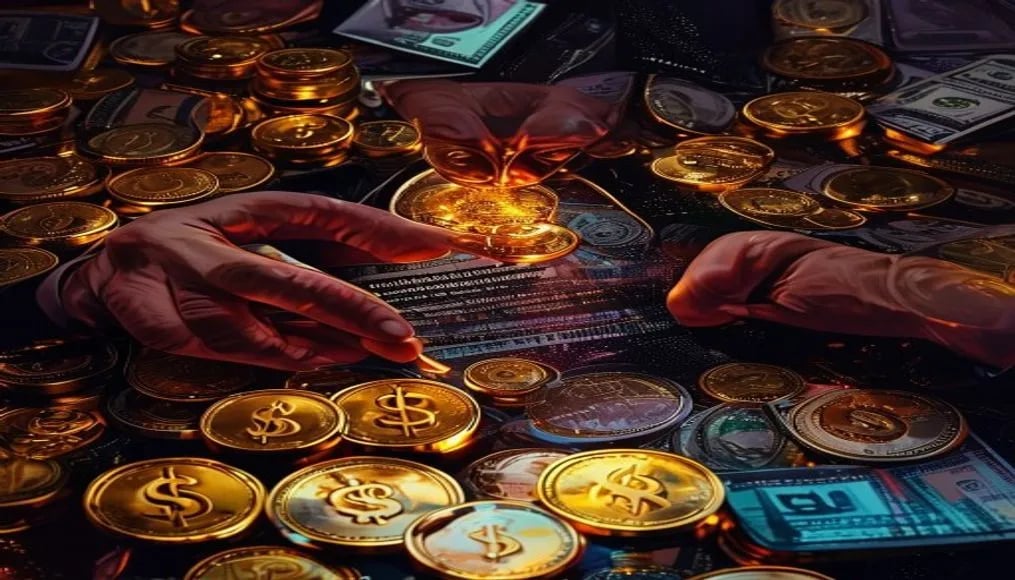
The AI art revolution isn't coming — it's already here, and it's minting money for creators who know how to leverage it. In 2026, the global AI-generated art market has crossed $15 billion, with individual creators earning anywhere from $500 to $50,000 per month depending on their strategy, consistency, and chosen platforms. Whether you're a complete beginner who has never touched a design tool or a seasoned artist looking to scale your output, this guide breaks down every proven method to turn AI-generated imagery into a legitimate, sustainable income stream.
What makes 2026 different from the early days of AI art in 2022-2023 is maturity. Platforms have clear policies, buyers understand the value proposition, legal frameworks have settled (mostly), and the tools are exponentially better. You no longer need to be a prompt engineering wizard — modern AI art generators understand natural language, maintain consistency across outputs, and can produce commercial-grade work in seconds. The barrier to entry has never been lower, but the opportunity has never been higher.
Let's dive into the six proven methods that are generating real income for AI artists in 2026, along with realistic earnings expectations, the exact tools you need, and a step-by-step blueprint to get started this week.
#Method 1: Print-on-Demand (POD) — The Passive Income Machine
Print-on-demand remains the single most accessible entry point for AI art monetization in 2026. The model is simple: you create designs, upload them to POD platforms, and earn royalties every time someone purchases a product featuring your art — t-shirts, mugs, phone cases, posters, canvas prints, and dozens of other products. You never touch inventory, handle shipping, or deal with customer service.
Top Platforms in 2026:
Redbubble remains the largest marketplace with over 80 million monthly visitors. Their royalty structure pays creators 20-40% depending on the product and your markup settings. The average successful AI artist on Redbubble maintains 500-2,000 active designs and earns $800-$3,000 per month passively. The key advantage is their organic search traffic — once your designs rank for popular search terms, they sell on autopilot.
Merch by Amazon is the highest-earning single platform for POD creators. With access to Amazon's 300+ million active buyers, conversion rates are significantly higher than standalone marketplaces. Royalties range from $2-$8 per unit depending on the product and price point. The catch: it's invite-only with tier limits (you start at 10 designs, scaling to 10,000+). Top AI artists on Merch report $5,000-$15,000 monthly once they reach Tier 4000+.
Printful + Etsy combo gives you more control over branding and pricing. You set up an Etsy storefront, connect Printful for fulfillment, and keep significantly higher margins (often $8-$15 per sale). This requires more upfront marketing effort but builds a brand asset you own.
Strategy for Success:
The key to POD success isn't creating random pretty images — it's niche research. Use tools like Everbee or Merch Informer to identify trending niches with high demand and low competition. In 2026, top-performing niches include: retro gaming aesthetics, cottagecore landscapes, dark academia typography, pet breed-specific designs, and occupation-based humor. Generate 10-20 variations per winning niche. Upload consistently — aim for 50-100 new designs per week during your growth phase. Use AI to generate the art, then use Canva or Photoshop to add text overlays, adjust compositions for different product formats, and ensure print-ready quality (300 DPI minimum).
Realistic Earnings Timeline: Month 1-2: $50-$200. Month 3-6: $500-$1,500. Month 6-12: $1,500-$5,000. Year 2+: $3,000-$10,000+ (compound growth as catalog expands).
#Method 2: Stock Photography & Digital Assets
AI-generated stock imagery is a legitimate and growing segment of the stock photography market in 2026. After years of policy uncertainty, major platforms have established clear frameworks for AI content.
Adobe Stock fully embraced AI-generated content in 2024 and has since become the largest marketplace for AI stock. Their Firefly-generated content program pays contributors 33 cents per standard download, but the real money is in their Extended License sales ($80+ per image). Adobe requires creators to tag AI-generated content and prohibits uploading content that mimics identifiable people or copyrighted characters. Top AI stock contributors upload 200-500 images monthly and earn $1,000-$4,000.
Shutterstock has a more nuanced policy — they accept AI-generated content through their contributor program but require it to be generated using Shutterstock's own AI tools or clearly labeled third-party tools. Earnings per download are slightly lower ($0.25-$0.38) but their marketplace volume compensates. Their AI content fund distributes additional payments quarterly to contributors whose content trains future models.
Wirestock is an aggregator that distributes your AI art to multiple stock platforms simultaneously — Adobe Stock, Shutterstock, Alamy, Dreamstime, and others. They take a 15% commission but save enormous time on individual platform management. For beginners, this is the recommended starting point.
What Sells in Stock:
The highest-demand categories for AI stock in 2026 are: business concepts (abstract teamwork, innovation, technology), lifestyle scenes (diverse people in everyday situations — note: AI-generated faces require model release equivalents on most platforms), nature and landscapes, food photography, and abstract backgrounds. The key differentiator is commercial utility — think about what a marketing team or web designer would search for. Prompt engineering for stock focuses on clean compositions, neutral color palettes, and versatile framing that works across different use cases.
Pro Tip: Create series and collections rather than random individual images. A set of 50 consistent images around 'sustainable business' or 'remote work lifestyle' sells far better than 50 unrelated images because buyers often need multiple images in the same style for a campaign.
This is where AI art income gets serious. Custom commissions — where clients pay you to create specific AI-generated artwork for their needs — command premium pricing because you're solving a specific problem rather than hoping someone discovers your pre-made content.
Fiverr is the fastest platform to get started. Create gigs offering AI art services: custom illustrations, book covers, album artwork, social media content packages, brand mascot design, or concept art. Price your starter gigs at $25-$50, mid-tier at $100-$200, and premium packages at $300-$500+. Successful AI artists on Fiverr report completing 30-60 orders per month at an average of $75-$150 per order, translating to $2,250-$9,000 monthly. The key is specialization — 'AI art' is too broad. Position yourself as 'AI children's book illustrator' or 'AI product mockup specialist' or 'AI fantasy portrait creator.'
Etsy for custom art prints and digital downloads is another goldmine. Set up listings for custom AI portraits (pet portraits are massive — averaging $30-$60 per order with minimal effort), personalized wall art, custom wedding illustrations, and digital planners with AI-generated covers. Etsy's algorithm favors shops with consistent sales velocity, so price your initial offerings competitively to build reviews, then gradually increase.
Upwork is where you land higher-value contracts — $500-$5,000+ per project. Businesses need AI art for marketing campaigns, app UI illustrations, website hero images, presentation graphics, and internal documentation visuals. Position yourself as a 'Visual AI Specialist' rather than just an artist. Create a portfolio showcasing commercial applications, write proposals that focus on business outcomes, and emphasize fast turnaround times (your AI-powered competitive advantage).
Client Management Tips: Always deliver more than promised. If they order 5 variations, deliver 8. Create mood boards before generating final outputs to align on direction. Use ControlNet and reference image techniques to maintain stylistic consistency across deliverables. Build repeat clients — a single satisfied client can generate $5,000-$20,000 in annual recurring revenue.
#Method 4: Social Media Content Creation
Brands are spending more than ever on social media content, and AI art has become a key tool in the content creation pipeline. This method works two ways: building your own audience to monetize, or creating content for brands as a service.
Building Your Own AI Art Brand:
Platforms like Instagram, TikTok, and Pinterest reward consistent, visually striking content. AI art accounts with 10,000-100,000 followers regularly earn $1,000-$5,000 monthly through brand deals, affiliate marketing, and digital product sales. The formula: pick a distinctive style (surreal landscapes, cyberpunk portraits, whimsical animals), post 2-3 times daily, engage with your community, and monetize through multiple channels once you hit 5,000+ followers.
Creating Content for Brands:
Many small businesses and startups need daily social media content but can't afford traditional designers or photographers. Position yourself as a 'Social Media Visual Specialist' — offer monthly content packages (30-60 branded images per month) at $500-$2,000 per client. With AI tools, you can generate a month's worth of content in 2-3 hours. Land 3-5 retainer clients and you're at $2,500-$10,000 monthly with minimal time investment.
Content That Performs: Educational content about AI art (tutorials, tool comparisons, prompt guides) consistently outperforms pure portfolio posts for follower growth. Platforms like promptspace.in curate prompt engineering resources and AI art tutorials that help creators level up — sharing these resources builds authority in the space while providing genuine value to your audience. Behind-the-scenes content showing your creative process (before/after, prompt iterations, style development) drives high engagement and attracts potential clients.
#Method 5: NFTs — Still Alive in 2026?
The short answer: yes, but radically different from the 2021-2022 hype cycle. The speculative mania is gone, replaced by a mature market that values genuine artistic merit, community engagement, and utility over pure speculation.
The Current State:
The NFT art market in 2026 is approximately $2.3 billion annually — down from its peak of $25 billion but stabilized and growing slowly. The key platforms are Foundation (curated, higher-end, $500-$50,000 per piece), SuperRare (exclusive, established artists, $1,000-$500,000), and OpenSea (volume marketplace, $5-$500 typical range). AI art is accepted on all major platforms, though some curated platforms require disclosure.
What Works Now:
Generative art collections where the AI process itself is the creative statement perform well. Think: algorithmic series exploring themes of consciousness, identity, or nature — 50-100 piece collections with a cohesive narrative. Single high-impact pieces sell for $200-$5,000 on Foundation if you've built a following. The key is community: Discord servers, Twitter/X engagement, collaboration with other artists, and building genuine collector relationships.
Realistic Assessment: NFTs should be 10-15% of your overall AI art strategy, not the foundation. The income is volatile and requires significant community-building effort. However, for artists who enjoy the creative freedom and community aspects, it can add $500-$3,000 monthly once established.
#Method 6: Course Creation & Tutorials
If you develop genuine expertise in AI art generation — understanding models, mastering prompt engineering, developing consistent styles, and successfully monetizing — teaching others becomes one of the highest-margin income streams available.
Platforms and Pricing:
Udemy courses on AI art earn $500-$5,000 monthly for popular instructors. The platform handles marketing and takes 50-75% of revenue, but their 57 million+ student base provides massive exposure. Best-selling AI art courses cover specific outcomes: 'Create Professional Book Covers with AI in 2 Hours,' 'AI Stock Photography: Upload to Profit in 30 Days,' or 'Midjourney Mastery: From Prompt to Print-on-Demand.'
Skillshare pays based on watch time — top AI art instructors earn $2,000-$8,000 monthly. The content format is shorter (30-60 minute classes) and more project-focused, making it easier to produce multiple classes.
Self-hosted courses via Gumroad, Teachable, or your own website command premium pricing ($97-$497 per course) with 90%+ margins. This requires your own audience but delivers the highest per-sale revenue. Build your email list through free content on YouTube, Instagram, and platforms like promptspace.in where AI art communities gather.
YouTube ad revenue from AI art tutorials averages $3-$8 per 1,000 views. A channel with 50,000-100,000 subscribers and weekly uploads can generate $2,000-$6,000 monthly in ad revenue alone, plus course sales, affiliate commissions, and sponsorships.
The Compound Effect: Teaching forces you to systematize your process, which makes your own art production more efficient. Your course students become potential clients, collaborators, and community members who amplify your brand. This creates a flywheel where teaching and creating reinforce each other.
#How Much Can You Realistically Earn?
Let's break down realistic monthly income by experience level and time investment:
Beginner (Month 1-3, 10-15 hours/week): $200-$800/month. Focus on POD uploads and stock photography. Build foundational skills. Don't quit your day job yet.
Intermediate (Month 3-9, 15-25 hours/week): $1,000-$3,500/month. Add freelance commissions. Build social media presence. Develop signature style. Start seeing compound growth from POD catalog.
Advanced (Month 9-18, 20-30 hours/week): $3,000-$8,000/month. Multiple income streams firing. Retainer clients. Growing audience. Course development begins. POD reaching critical mass.
Professional (18+ months, full-time): $5,000-$25,000+/month. Diversified portfolio. Brand partnerships. Premium commissions. Course revenue. Speaking engagements. Consulting. You're running a real business.
The $5,000/month breakdown for a typical intermediate-to-advanced creator: POD royalties: $1,200. Stock photography: $600. Freelance commissions (8-10 orders): $1,800. Social media content client: $800. Digital downloads: $400. Misc (affiliates, tips, etc.): $200. Total: $5,000.
Important Caveats: These numbers assume consistent effort, strategic niche selection, and willingness to learn and iterate. The median AI art creator earns less than $500/month because most people upload sporadically without strategy. The top 10% earn disproportionately more because they treat it as a business, not a hobby.
AI Image Generators (pick 1-2 primary tools):
Midjourney v7 — Still the king of aesthetic quality. $10-$60/month depending on plan. Best for: artistic compositions, fantasy art, portraits, landscapes. Commercial license included in all paid plans.
DALL-E 4 (via ChatGPT Plus or API) — Best for photorealism and commercial concepts. $20/month with ChatGPT Plus or pay-per-generation via API. Strongest at: product mockups, stock-style images, realistic scenes.
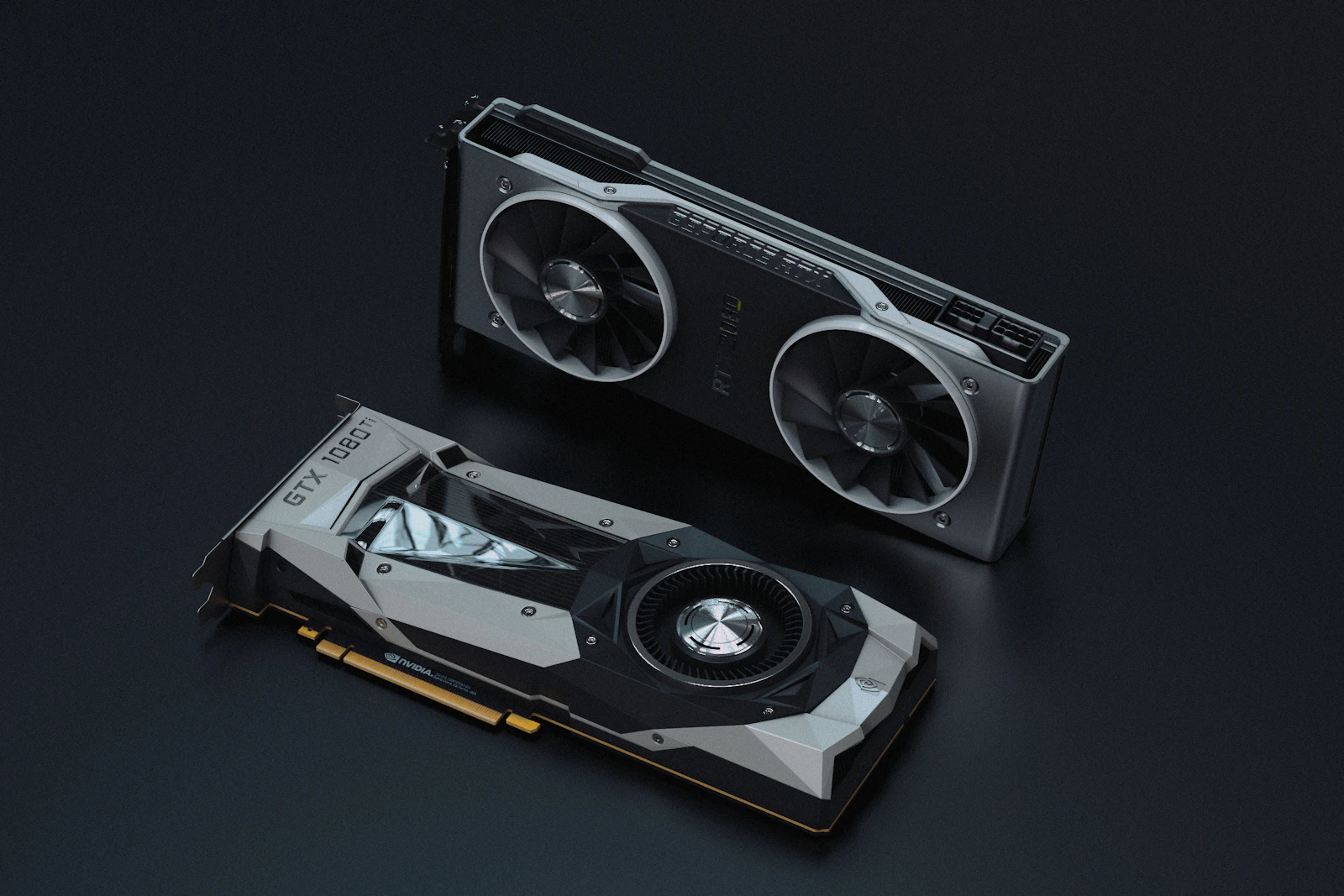
Stable Diffusion (local or cloud) — Free and open-source with unlimited generations. Requires a decent GPU (RTX 3060+ recommended) or cloud credits ($10-$50/month on RunPod/Vast.ai). Best for: ultimate control, custom models, NSFW content (where platform policies allow), batch generation at scale. The SDXL and SD3.5 models compete directly with commercial options.
Adobe Firefly — Included with Creative Cloud ($22.99/month). Directly integrated into Photoshop, Illustrator. Best for: commercial-safe content (trained exclusively on licensed data), inpainting, extending compositions, professional workflows.
Flux Pro — Strong contender in 2026 for photorealism and text rendering in images. Available via API and various front-ends at competitive pricing.
Supporting Tools:
Canva Pro ($12.99/month) — Essential for POD (product mockups, text overlays, resizing for different formats). Their AI features complement external generators well.
Photoshop ($22.99/month with Creative Cloud) — Professional post-processing, compositing, and refinement. Non-negotiable for commission work and premium outputs.
Topaz Gigapixel AI ($99 one-time) — Upscaling AI art to print-ready resolution (300 DPI at large sizes). Critical for POD and canvas print quality.
Notion or Airtable (free-$10/month) — Tracking uploads, managing client orders, organizing your catalog. As your portfolio grows to thousands of pieces, organization becomes essential.
Prompt management tools — Keep a database of your best prompts, organized by style and category. Resources like promptspace.in offer curated prompt libraries that can accelerate your workflow significantly.
#Getting Started: Your First 7 Days Step-by-Step
Day 1: Setup & Research
Sign up for your primary AI art tool (Midjourney recommended for beginners — join their Discord, subscribe to the Basic plan at $10/month). Create accounts on Redbubble, Wirestock, and Fiverr. Spend 2 hours researching trending niches on Redbubble using the search bar and Everbee extension.
Day 2: Skill Building
Generate 50+ images experimenting with different styles, subjects, and prompt structures. Learn the basics: aspect ratios, style references, negative prompts (or exclusions), and iterative refinement. Save your 10 best outputs. Study top-performing listings on Redbubble in your chosen niche — note their titles, tags, and design styles.
Day 3: First POD Uploads
Create 10 designs optimized for your chosen niche. Use Canva to adjust dimensions for different products (t-shirts need centered compositions, posters can be more expansive). Upload to Redbubble with keyword-optimized titles and tags (use all 15 tag slots). Enable all relevant product types.
Day 4: Stock Photography
Generate 20 commercial-quality images suitable for stock — think clean backgrounds, versatile compositions, trending business/lifestyle themes. Upload to Wirestock (which distributes to multiple platforms). Focus on series: 5-10 images around a single theme.
Day 5: Fiverr Gig Creation
Create 2-3 Fiverr gigs showcasing specific AI art services. Write compelling descriptions focusing on client outcomes. Set competitive pricing ($25-$50 for starter gigs). Create gig images using your best AI art. Enable gig extras (rush delivery, additional revisions, source files) for upselling.
Day 6: Social Media Foundation
Set up an Instagram and Pinterest account dedicated to your AI art brand. Post your 5 best pieces with relevant hashtags. Create a content calendar — plan 2 posts daily for the first month. Set up a simple portfolio website (Carrd.co for $9/year is sufficient initially).
Day 7: Scale Systems
Establish your daily workflow: spend 1 hour generating new art, 30 minutes uploading to platforms, 30 minutes on social media engagement. Set weekly goals (50 POD designs, 20 stock uploads, respond to all Fiverr inquiries within 2 hours). Track everything in a spreadsheet — uploads, views, sales, what's working.
Week 2 Onward: Maintain consistency. Analyze data weekly — which niches get traction? Double down on winners. Expand to additional platforms. Start engaging with AI art communities. Iterate your prompts based on what sells. The first month is about building foundation and data; the money compounds from month 2-3 onward.
#FAQ
Q: Is it legal to sell AI-generated art commercially?
A: In most jurisdictions in 2026, yes. The U.S. Copyright Office has clarified that while purely AI-generated images without human creative input cannot be copyrighted, images involving substantial human creative direction (prompt crafting, curation, post-processing, compositing) may qualify for copyright protection. For practical purposes, all major platforms (Redbubble, Amazon, Adobe Stock, Etsy) explicitly allow AI-generated content for commercial sale. Always check individual platform policies and disclose AI usage where required.
Q: How much does it cost to get started?
A: The absolute minimum is $10/month (Midjourney Basic plan) plus $0 for Redbubble and Wirestock accounts. A comfortable starting budget is $30-$50/month: $30 for Midjourney Standard (unlimited generations), $13 for Canva Pro, and remaining for optional tools. You can realistically start earning before your second month's subscription is due. As you grow, reinvest profits into better tools — Photoshop, upscaling software, premium stock accounts, and advertising.
Q: Won't the market get too saturated with everyone using AI?
A: Saturation is real at the bottom — generic, low-effort AI art is everywhere. However, creators who develop distinctive styles, target specific niches intelligently, understand commercial needs, and provide consistent quality still stand out dramatically. Think of it like photography: everyone has a camera phone, but professional photographers still thrive because skill, vision, and business acumen matter beyond the tool. The differentiator in 2026 isn't access to AI — it's what you do with it.
Q: Do I need artistic skills or a design background?
A: No traditional art skills are required to start, but developing an 'eye' for composition, color theory, and commercial appeal will significantly accelerate your success. The good news: these skills develop naturally as you generate thousands of images and study what performs. Start with structured prompt templates, study successful examples in your niche, and iterate relentlessly. Within 2-3 months of daily practice, most people develop strong intuitions about what makes a commercially viable image.
Q: What's the best single method to focus on first?
A: Print-on-demand via Redbubble. It has the lowest barrier to entry (free to join, no approval process), provides passive income that compounds over time, teaches you niche research and market thinking, and gives you data on what visual styles sell. Once you're uploading consistently and seeing initial sales (usually week 3-6), layer in stock photography and freelance commissions. Don't try all six methods simultaneously — master one, then expand.
-
Free AI Image Generator — Generate stunning images instantly, no login needed
-
Midjourney Prompts — 500+ tested Midjourney prompts
-
DALL-E Prompts — Best prompts for DALL-E 3 and GPT Image