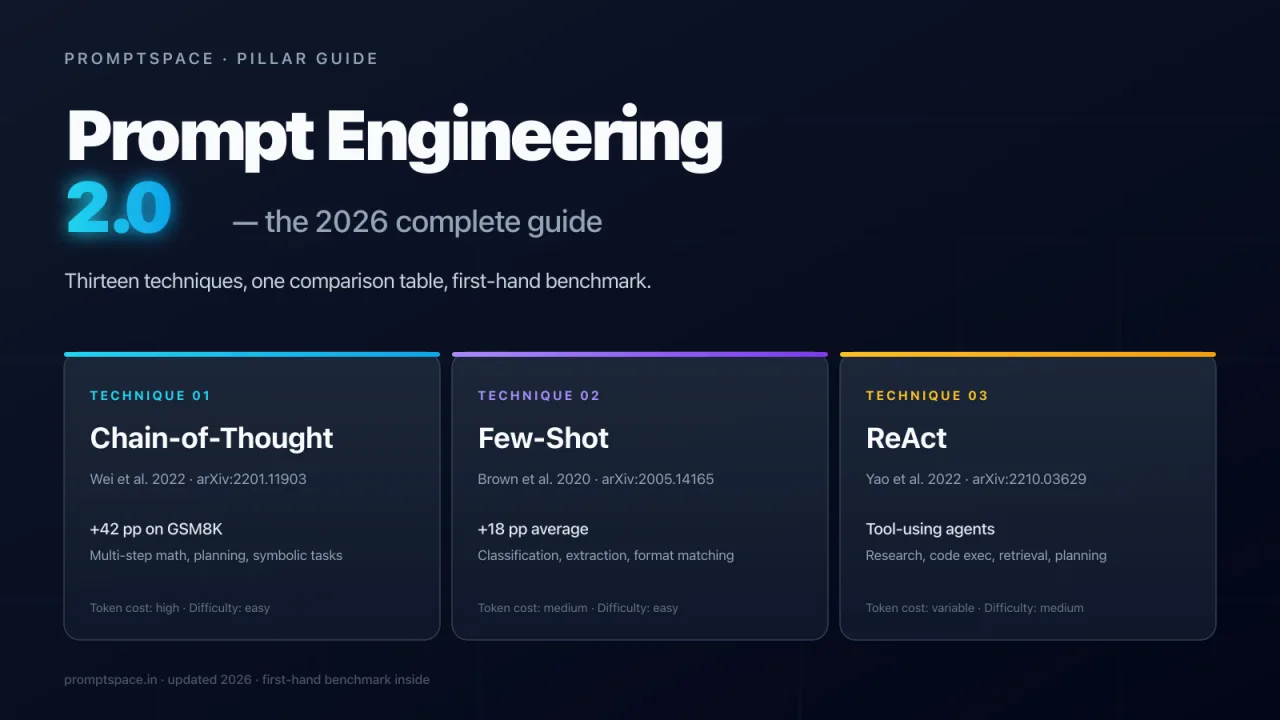
Let me save you the weeks I spent getting mediocre AI images before I figured out what actually works. Your prompt is everything - it's the difference between getting a generic stock photo look and producing something that could pass for a professional photographer's portfolio piece. I used to type vague descriptions and wonder why my results looked amateur. Turns out, prompt writing follows specific, learnable patterns, and once they click, you'll consistently nail stunning outputs across Midjourney, ChatGPT, Gemini, Stable Diffusion, or FLUX without overthinking it.
The Prompt Structure Framework
Think of every prompt as having five layers, each adding more control over the final image. Layer 1: Subject - What is the main focus? Be specific: not just "a woman" but "a young woman with braided red hair wearing a vintage denim jacket." Layer 2: Style & Medium - What should it look like? Oil painting, cinematic photograph, anime illustration, watercolor, 3D render, pencil sketch. Layer 3: Lighting - This single element dramatically changes the mood. Soft diffused window light feels intimate. Dramatic rim lighting feels cinematic. Neon glow feels futuristic. Golden hour backlight feels dreamy. Layer 4: Mood & Atmosphere - The emotional tone. Peaceful, intense, mysterious, whimsical, melancholic, energetic. Layer 5: Technical Details - Camera specs, resolution, aspect ratio. "Shot on 85mm f/1.2, shallow depth of field, 8K resolution" dramatically improves photorealistic outputs.Specificity Is Everything
The number one rule of prompt writing is: be specific. Compare these two prompts and imagine the difference in results:Vague: "A red car" Specific: "A sleek red Ferrari F40, photorealistic render, parked on a rain-slicked Tokyo street at night, neon signs reflecting off the wet pavement, cinematic lighting, volumetric fog, shot on Sony A7R IV, 8K ultra detail"
The vague prompt might produce a cartoon car, a toy car, a blurry car - the AI has to guess everything you left unsaid. The specific prompt gives the AI a clear mental image to construct. Every detail you add - the car model, the location, the weather, the lighting, the camera - eliminates a variable and moves the result closer to your vision. This does not mean prompts need to be essays. A focused 30-word prompt beats a rambling 100-word one. Be specific about what matters, not exhaustive about everything.
Power Techniques for Better Results
Style references are incredibly effective. Adding "in the style of Rembrandt" or "cyberpunk aesthetic" or "Pixar 3D render" or "Wes Anderson color palette" gives the AI a clear artistic direction based on its training data. Negative prompts (supported in Midjourney and Stable Diffusion) let you exclude unwanted elements: "no blur, no watermark, no deformed hands, no extra fingers" keeps results clean. Camera and lens references dramatically improve photorealistic prompts: "shot on Canon EOS R5 with 85mm f/1.2" tells the AI exactly what kind of optical characteristics you want. Art movement references like "Art Nouveau," "Bauhaus," "Impressionist," or "Brutalist" provide rich visual context in just one or two words.Common Mistakes That Kill Your Results
Avoid these traps that most beginners fall into. Contradicting yourself - asking for "bright sunny day" and "moody dark atmosphere" in the same prompt confuses the AI. Pick a direction and commit. Keyword stuffing - writing "beautiful amazing stunning gorgeous incredible" adds nothing. Use one or two quality modifiers that actually describe the aesthetic. Ignoring aspect ratios - a portrait composed for 1:1 will look terrible cropped to 16:9. Set the right ratio from the start. Overcomplicating scenes - "a dragon fighting a robot in a kitchen while it is snowing and there are fireworks" will produce chaos. The best AI images have a clear focal point and a cohesive scene. Never iterating - your first prompt is rarely your best. Generate, evaluate, adjust, and regenerate. Professional AI artists often iterate 5-10 times before they are satisfied.Building Your Prompt Vocabulary
Keep a personal collection of words and phrases that consistently produce great results. Here are some high-value additions for your vocabulary: Lighting: "Rembrandt lighting," "volumetric light rays," "caustics," "rim light," "chiaroscuro." Texture: "intricate detail," "fine grain," "smooth gradient," "rough impasto," "delicate filigree." Atmosphere: "ethereal mist," "particle effects," "atmospheric haze," "lens flare," "dust motes in light." Quality: "masterpiece," "award-winning," "editorial quality," "museum piece," "hyper-detailed." Every prompt on PromptSpace incorporates these techniques. Browse thousands of tested, refined prompts at promptspace.in - use them as-is or as templates to develop your own signature prompt style. The fastest way to learn prompt writing is to study prompts that already produce amazing results, and that is exactly what our library provides.Frequently Asked Questions
Is the content on this page free to use? Yes — all resources on PromptSpace are completely free. Try our free AI image generator or browse 4,000+ AI prompts at no cost.How do I get started with AI tools? Start with a clear goal and specific prompts. The more detail you provide — audience, format, tone, constraints — the better the AI output.
Can I use AI outputs commercially? On paid tiers of major platforms, yes. Always verify the specific tool's terms of service for your use case.
Where can I find more AI resources? PromptSpace has 4,000+ free AI prompts and 150+ free tools — browse the library or try the AI image generator.