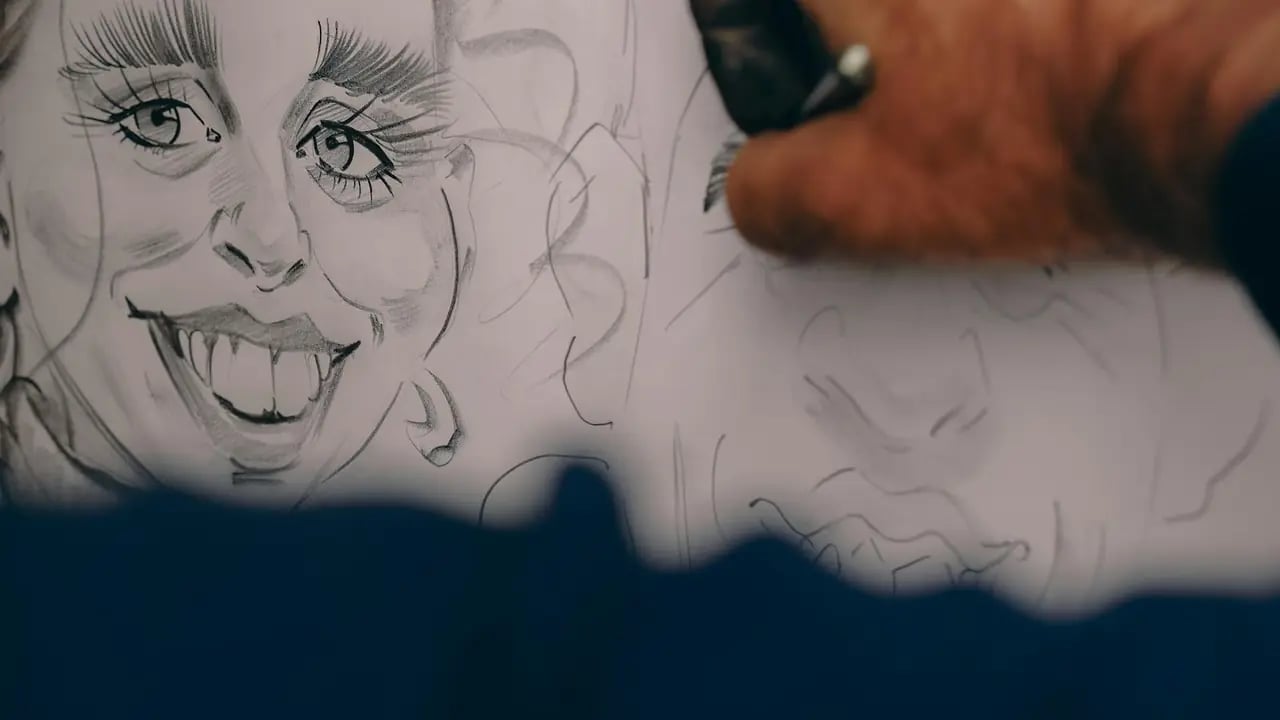
My LinkedIn feed turned into a Pixar movie overnight. Suddenly every connection - lawyers, accountants, fitness coaches - had these glossy 3D caricatures as profile pictures, surrounded by little visual symbols of their careers. The ChatGPT caricature trend hit different than previous AI art fads because it actually captures something personal: the AI uses your conversation history to decide what objects and metaphors to include. When mine showed up with scattered notebooks, cold brew, and code snippets, I got genuinely spooked by how well it nailed my daily reality. I spent a week testing different prompts, refining the technique, and figuring out why this particular trend spread so fast - and the answer isn't just "pretty pictures." It's about identity.
What Makes This Trend Different
We've seen AI art trends come and go. Remember the Lensa AI portraits from a few years back? Or the various face-swap filters that dominated TikTok? Those were fun distractions. The ChatGPT caricature trend feels different because it actually understands you.The magic happens in the prompt: "Create a caricature of me and my job based on everything you know about me." Simple, right? But what's revolutionary is that ChatGPT has context. It remembers your conversations. It knows if you've mentioned being a software engineer who loves hiking, or a teacher with a passion for photography. This contextual awareness creates caricatures that feel surprisingly personal-not generic.
When I tried it, ChatGPT created an image of me surrounded by code snippets, coffee cups, and notebooks, wearing the exact style of glasses I always wear. It didn't just make a cartoon version of my face. It captured my essence as a writer who spends too much time thinking about technology.
The Viral Mechanics
Understanding why this spread so fast requires looking at the psychology of sharing. These caricatures hit a sweet spot of social currency. They're personalized enough to feel like genuine self-expression, polished enough to impress, and easy enough that anyone can create one.The trend gained momentum through what I call "identity signaling." Your caricature becomes a visual summary of who you are and what you do. On LinkedIn, it broadcasts your professional identity in a creative, approachable way. On Instagram, it becomes content that's inherently about you-perfect for a platform built on self-presentation.
Business Standard reported on this trend just hours ago, noting that users are adopting these as actual profile pictures across platforms. That's significant. Previous AI art trends were novelties you posted once and forgot. People are literally changing their digital identity markers based on these images.
How to Create Your Own ChatGPT Caricature
Creating your own caricature is straightforward, but there are techniques that produce better results. Here's my tested process:The Basic Approach
Start with the viral prompt: "Create a caricature of me and my job based on everything you know about me." Upload a clear photo of yourself. ChatGPT will generate an image based on your conversation history and the visual reference.The results vary based on how much you've interacted with ChatGPT. Users who've had extensive conversations often get eerily accurate caricatures. Newer users might need to add context manually.
Adding Context for Better Results
If you're not getting results that capture your personality, try expanding the prompt: "Create a caricature of me as a [profession] who loves [hobby]. Include visual elements that represent [specific interest or trait]. Make it in a 3D cartoon style."The more specific you are, the better the results. Instead of "I'm a marketer," try "I'm a digital marketing strategist obsessed with data visualization and cold brew coffee." Specificity gives ChatGPT more material to work with.
Style Modifications
The default output tends toward a glossy, 3D-rendered aesthetic. But you can guide the style by adding descriptors to your prompt:- "Make it look like a Pixar character"
- "Style it like a New Yorker cartoon"
- "Create a minimalist flat design version"
- "Make it resemble a video game avatar"
Each style choice dramatically changes the output while keeping the personalized elements intact.
Iterative Refinement
Don't settle for the first result. ChatGPT allows iterative refinement. If the caricature misses something important, tell it: "Great, but can you add my glasses?" or "Make the background show my love of jazz music instead."This iterative process often produces better results than trying to craft the perfect initial prompt. Think of it as a conversation with an artist rather than a command to a machine.
The Psychology Behind the Appeal
Why are these caricatures resonating so deeply? I've identified three psychological factors driving the trend's success.Validation Through Visualization
There's something uniquely satisfying about seeing yourself visualized in a flattering, stylized way. The caricature format exaggerates your best features while the AI's contextual understanding captures aspects of your identity you might not explicitly state. It's validation that something understands who you are.When my caricature included subtle references to articles I'd written months ago-details I'd forgotten mentioning-it felt like being truly seen. That's a powerful emotional response from an AI interaction.
Identity Consolidation
Modern life fragments our identity across dozens of platforms and contexts. The ChatGPT caricature trend offers a rare moment of identity consolidation. It forces you to think: "What defines me? What would I want visually represented about who I am?"The trend encourages introspection disguised as entertainment. People sharing their caricatures are simultaneously sharing their self-conception. The caricature becomes a distilled version of their identity narrative.
Social Currency Without Effort
Creating genuinely good visual content usually requires skill, software, and time. The caricature trend democratizes visual creativity. Anyone with a ChatGPT account can produce something that looks professionally made.This removes the friction that normally prevents people from participating in visual trends. You don't need to learn Photoshop or hire a designer. You just need a simple prompt and a few minutes.
The Professional Angle
While most coverage focuses on the social media aspect, I've noticed something interesting among professional networks. People are using these caricatures for business purposes in surprisingly effective ways.LinkedIn Optimization
LinkedIn profiles with caricature profile pictures are getting more engagement. The theory is that these images humanize professionals while still looking polished. A traditional headshot says "I'm serious." A caricature says "I'm serious but also creative and approachable."For consultants, coaches, and creatives especially, this visual approach can differentiate you from the sea of standard professional headshots. It signals that you understand current trends and aren't afraid to show personality.
Personal Branding Consistency
Some professionals are creating caricature variations for different contexts-a more formal version for LinkedIn, a creative version for Instagram, an industry-specific version for Twitter. This creates visual consistency across platforms while allowing platform-appropriate customization.The caricature becomes a personal brand asset rather than a one-time post. That's a significant evolution from previous AI art trends.
Ethical Considerations and Limitations
No analysis would be complete without addressing the concerns this trend raises.Privacy Implications
Creating an accurate caricature requires feeding ChatGPT personal information and photos. Users should understand that they're contributing to OpenAI's training data ecosystem. While OpenAI has privacy protections, the trade-off between personalization and privacy is worth considering.Representation Concerns
AI image generators have documented biases. Some users report that caricatures can reinforce stereotypes or produce culturally insensitive results. It's important to critically evaluate outputs and provide feedback when results miss the mark.The Uncanny Valley
Not everyone loves their caricature. The exaggerated features that make caricatures fun can also produce unsettling results. Some users report feeling uncomfortable with how they're represented, even when the caricature is technically accurate.This is subjective and varies by individual. If your caricature feels "off," try adjusting the prompt or style rather than forcing yourself to like something that doesn't resonate.
What's Next for AI-Generated Identity
The caricature trend feels like a preview of something bigger. As AI image generation improves and becomes more integrated with personal data, we'll see increasingly sophisticated forms of AI-generated identity representation.Imagine caricatures that update automatically as your career evolves. Or versions that adapt their style based on the platform you're posting to. The underlying technology suggests possibilities far beyond static images.
The trend also hints at how AI might handle personal memory and context. ChatGPT's ability to reference previous conversations in image generation could extend to other applications-personalized content recommendations, adaptive learning, contextual assistants that truly understand your history.
The Bottom Line
The ChatGPT caricature trend succeeds because it combines accessibility with genuine personalization. It lets anyone create visual content that feels uniquely theirs, then share it in ways that resonate across social contexts.Whether you're participating for fun, professional branding, or simple curiosity, the trend offers something valuable: a moment of creative self-expression powered by AI that actually understands who you are.
Try it. See what ChatGPT creates when you ask it to caricature not just your face, but your essence. You might be surprised by what gets captured-and what that reveals about how you present yourself to the world.
The caricature trend will fade, as all trends do. But the underlying technology and the questions it raises about digital identity will only become more relevant. Understanding it now means being prepared for what's coming next.
What is the ChatGPT caricature trend?
The ChatGPT caricature trend is a viral social media phenomenon where users generate personalized, exaggerated cartoon-style portraits of themselves using ChatGPT's image generation capabilities. Users upload a photo and use a specific prompt to create 3D-style caricatures that incorporate their job, personality, and interests.What is the viral ChatGPT caricature prompt?
The viral prompt is: "Create a caricature of me and my job based on everything you know about me." This prompt leverages ChatGPT's memory of previous conversations to create highly personalized results.Why is the ChatGPT caricature trend so popular?
According to coverage from Business Standard (February 2026), Mashable, and USA Today, the trend exploded because it combines personalization with accessibility. Unlike generic AI filters, these caricatures feel deeply personal and are being adopted as actual profile pictures across Instagram, LinkedIn, X, and WhatsApp.How do I get better ChatGPT caricature results?
For best results, provide context about your profession, hobbies, and personal style. Instead of using the basic prompt, try: "Create a caricature of me as a [profession] who loves [hobby]. Include visual elements that represent [specific interest]." Specificity improves accuracy.Can I change the style of my ChatGPT caricature?
Yes. You can guide the artistic style by adding descriptors to your prompt such as "Pixar character style," "New Yorker cartoon style," or "minimalist flat design." Each style produces dramatically different visual results.Is the ChatGPT caricature trend free?
Yes, creating caricatures requires a ChatGPT account with image generation capabilities. OpenAI includes image generation in ChatGPT Plus subscriptions and offers limited free generations for standard users.When did the ChatGPT caricature trend start?
The trend began gaining significant traction in early February 2026, with major media outlets including Business Standard, Fox10TV, and The Tab reporting on its viral spread across social media platforms.Ready to Create Amazing AI Images?
If this got you excited about AI image generation, head over to promptspace.in to discover thousands of creative prompts shared by our community. Whether you're using Nanobanana Pro, Gemini, or other AI tools, you'll find prompts that help you create stunning images without the guesswork.Share this article:
Copy linkXFacebookLinkedIn
Frequently Asked Questions
Are these prompts free? Yes — all PromptSpace prompts are free to copy and use. Browse our ChatGPT Prompts library for hundreds more.Do these work on the free tier? Most work on free tiers. Complex prompts may perform better on paid versions (ChatGPT Plus, Claude Pro) with larger context windows.
How do I get better AI results? Be specific: include your role, desired format, target audience, and any constraints. More context always improves output.
Can I modify these prompts for my use case? Absolutely — treat every prompt as a starting template. Customize the role, topic, tone, and format to match your needs.