Introduction\n\nGit is the backbone of modern software development, enabling teams to collaborate efficiently and maintain a solid history of their codebase. However, many Git tasks are repetitive and predictable, such as writing commit messages, drafting pull request descriptions, and generating changelogs. These tasks follow clear patterns, making them ideal candidates for automation with SKILL.md skills. In this post, we’ll explore the best Git automation skills tailored for Claude Code, OpenClaw, and other compatible agents, helping you streamline your Git workflows and boost productivity.
Quick Answer\n\nThe three best Git automation skills for Claude Code and OpenClaw are Git Commit Writer, PR Description Writer, and Changelog Generator, all available on Agensi. These skills automate the most common yet time-consuming parts of your Git workflow, letting you focus on writing great code instead of crafting commit messages or summarizing changes.
Git Commit Writer\n\nThe git-commit-writer skill is a game changer for anyone who wants to maintain a clean and standardized commit history. It scans your staged changes and automatically generates a commit message following the Conventional Commits format. This format uses commit types like feat, fix, refactor, docs, and chore, which helps maintainers and tools understand the nature of each change at a glance.
How Git Commit Writer Works\n\nGit Commit Writer analyzes the files you’ve staged for commit, detects the commit type based on the kind of changes (for example, a bug fix or a new feature), and even identifies the scope by looking at the directories or files affected. If you’ve staged multiple logical changes in one go, it can suggest splitting them into separate commits, encouraging best practices for atomic commits.
Practical Tips for Using Git Commit Writer\n\nTo get the most out of Git Commit Writer, stage your changes carefully and group related modifications together. This allows the skill to generate more accurate commit messages. Additionally, review the suggested commit message before committing to ensure it captures the intent clearly. Over time, this will help your repository maintain a high-quality commit history, which is invaluable for code reviews, debugging, and release management.
PR Description Writer\n\nWhile commit messages capture individual changes, pull request (PR) descriptions tell the story behind a set of commits. The PR Description Writer skill automates the creation of detailed, clear, and structured PR descriptions by summarizing the changes in your branch and highlighting key points such as new features, bug fixes, and any breaking changes.
Benefits of Automating PR Descriptions\n\nWriting a good PR description can be tedious but is essential for effective code reviews. Automating this task saves time and ensures consistency across your team. The PR Description Writer skill can pull information from commit messages, linked issues, and code diffs to generate a comprehensive overview, making it easier for reviewers to understand the context and scope of the changes.
How to Use PR Description Writer Effectively\n\nIntegrate the PR Description Writer into your pull request workflow, either as a pre-PR step or as part of your continuous integration pipeline. Customize the prompts if your team follows specific templates or requires additional information, such as testing instructions or deployment notes. Always review the generated description and add any personal insights or clarifications to keep communication clear and effective.
Changelog Generator\n\nMaintaining an accurate changelog is critical for project transparency and user communication. The Changelog Generator skill automates the process of compiling commit messages and PR descriptions into a structured changelog, categorized by release versions and types of changes.
Why Automate Changelog Generation?\n\nManual changelog maintenance is error-prone and often neglected, leading to incomplete or inconsistent release notes. With automation, you can generate changelogs that follow best practices, such as grouping features, fixes, and breaking changes, and linking to relevant issues or PRs. This not only saves time but also improves the quality and reliability of your release documentation.
Practical Example of Using Changelog Generator\n\nImagine you’re preparing for a new release. Instead of manually scanning through dozens of commits and PRs, run the Changelog Generator skill to produce a neatly formatted changelog file. You can then review and tweak it before publishing. This approach reduces human error and ensures your changelog is always up to date with minimal effort.
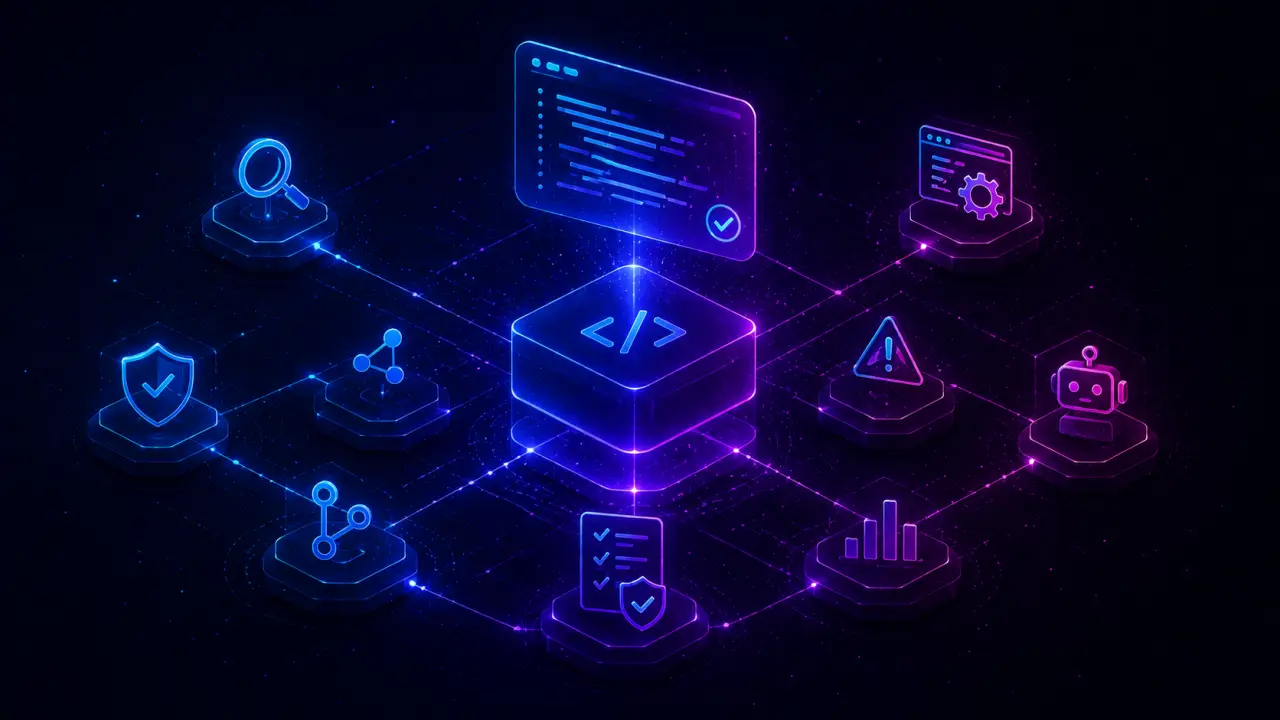
Integrating These Skills in Claude Code and OpenClaw\n\nClaude Code and OpenClaw are powerful agents designed to automate developer workflows using SKILL.md skills. Integrating Git Commit Writer, PR Description Writer, and Changelog Generator into your agent’s pipeline can transform your Git experience. For example, you can configure Claude Code to automatically generate commit messages as you stage changes, draft PR descriptions when opening pull requests, and update changelogs on release branches.
Actionable Tips for Integration\n\nStart small by automating one part of your Git workflow, such as commit message generation, and gradually add PR descriptions and changelog automation. Customize the skills’ prompts to reflect your team’s conventions and terminology. Monitor the output regularly and provide feedback to the agents to improve accuracy. Finally, combine these skills with other automation tools like CI/CD pipelines for a seamless developer experience.
Conclusion\n\nAutomating repetitive Git tasks with SKILL.md skills like Git Commit Writer, PR Description Writer, and Changelog Generator can save time, improve consistency, and enhance collaboration in your development team. Whether you’re using Claude Code, OpenClaw, or other compatible agents, these skills are essential for modern Git workflows. Explore these tools on Agensi, experiment with integrating them into your processes, and watch your productivity soar.
Frequently Asked Questions
Are these prompts free? Yes — all PromptSpace prompts are free to copy and use. Browse our ChatGPT Prompts library for hundreds more.Do these work on the free tier? Most work on free tiers. Complex prompts may perform better on paid versions (ChatGPT Plus, Claude Pro) with larger context windows.
How do I get better AI results? Be specific: include your role, desired format, target audience, and any constraints. More context always improves output.
Can I modify these prompts for my use case? Absolutely — treat every prompt as a starting template. Customize the role, topic, tone, and format to match your needs.