When a light flashes on your screen and you click as fast as you can, the number that comes back is a reaction time — the elapsed time between the visual stimulus arriving at your retina and your finger completing a click. It sounds simple. But that number is one of the most-studied variables in cognitive neuroscience because it depends on the entire signal path: retina → optic nerve → visual cortex → decision → motor cortex → nerve → muscle → click. Every step in that chain has a lower bound set by physics, and every step can be trained.
Cognitive Science · Updated July 14, 2026Featured
Reaction Time Test: What Is a Good Score, and How to Improve Yours (2026)
The average human reaction time is 250 ms. Elite is under 175 ms. Here is what actually happens in your brain during those milliseconds, why some people are faster, and the seven habits that reliably shave 20–50 ms off your reflex — plus a free reaction time test to benchmark yourself.

8
Min read
773
Words
2026
Last updated
Free
Access
TL;DRQuick answer
The average human reaction time is 250 ms. Elite is under 175 ms. Here is what actually happens in your brain during those milliseconds, why some people are faster, and the seven habits that reliably shave 20–50 ms off your reflex — plus a free reaction time test to benchmark yourself.
01Key takeaways
- What Is the Average Human Reaction Time?
- Why You Cannot React Faster Than 150 ms
- 7 Habits That Actually Improve Reaction Time
- Why Age Slows You Down (And What to Do About It)
- Take the Test
Evidence & editorial standards
- Author: Shahrukh — Creator of PromptSpace, AI researcher & prompt engineer since 2024. 159+ articles published.
- Methodology: Claims are based on hands-on testing with live AI models, publicly available benchmarks, and official model documentation.
- Last reviewed: by our editorial team.
- Corrections: Spotted an error? Email [email protected] — we credit reporters.
- Disclosure: PromptSpace publishes original, non-sponsored content. Tools linked are ones we build or personally use.
Keep reading
Skill Building
How to Improve Your Typing Speed: A 2026 Guide (Free Test Inside)
A practical, no-fluff guide to raising your WPM. Covers touch-typing basics, the 21-day drill schedule that actually works, the seven common mistakes killing your speed, and a free typing speed test you can take right now.
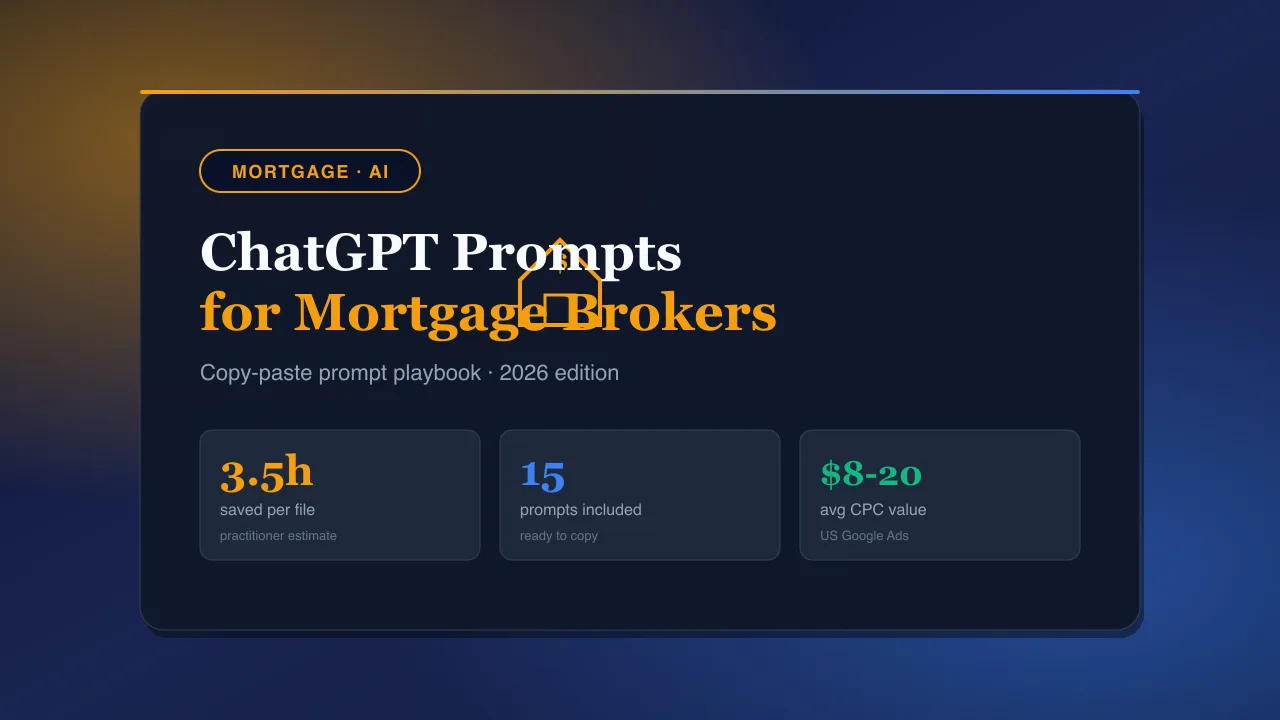
Prompts
ChatGPT Prompts for Mortgage Brokers 2026: 15 Ready-to-Use Scripts
The mortgage brokers who close 40 loans a month are not typing faster. They are using ChatGPT to draft pre-qual scripts, rate-lock emails, and refi breakeven math in 90 seconds. Here are 15 prompts they actually use.

Gemini
I Ran My Life on Gemini Spark + Daily Brief for 2 Weeks — Here's What Google's Agent Actually Does
The Gemini Spark and Daily Brief agents from Google I/O 2026 got a lot of press but no serious user reviews. Here's a 2-week honest test — email triage, calendar negotiation, Docs SEO, YouTube uploads. And when Spark actually beats ChatGPT Tasks.
Gaming
Click Speed Test (CPS): How Fast Can You Click? The 2026 Complete Guide
Everything you need to know about click speed (CPS), why it matters for gaming, and how to actually increase yours. Compare butterfly vs jitter vs drag clicking, learn the mouse setup that lets pros hit 12+ CPS, and take a free test right now.
Guide
How to Write Effective AI Prompts in 2026 (The RCTFE Formula)
The 2026 playbook for writing AI prompts that actually work on GPT-5, Claude 4.7, and Gemini 2.5. The RCTFE formula, 6 worked examples, 10 common mistakes, and a 20-prompt test showing 2.4x lift.

Guide
I Wasted ₹3,500 Once Because I Shopped Like a Normal Person. Here's the AI Playbook I Wish I'd Had (India, 2026)
I bought a washing machine for ₹28,400. My cousin got the same one three days later for ₹24,900. He used AI. I didn't. This is the exact six-step AI shopping stack I use now — seven copy-paste prompts, real Indian tools, and the honest limits nobody sells you.
Explore more articles
View all →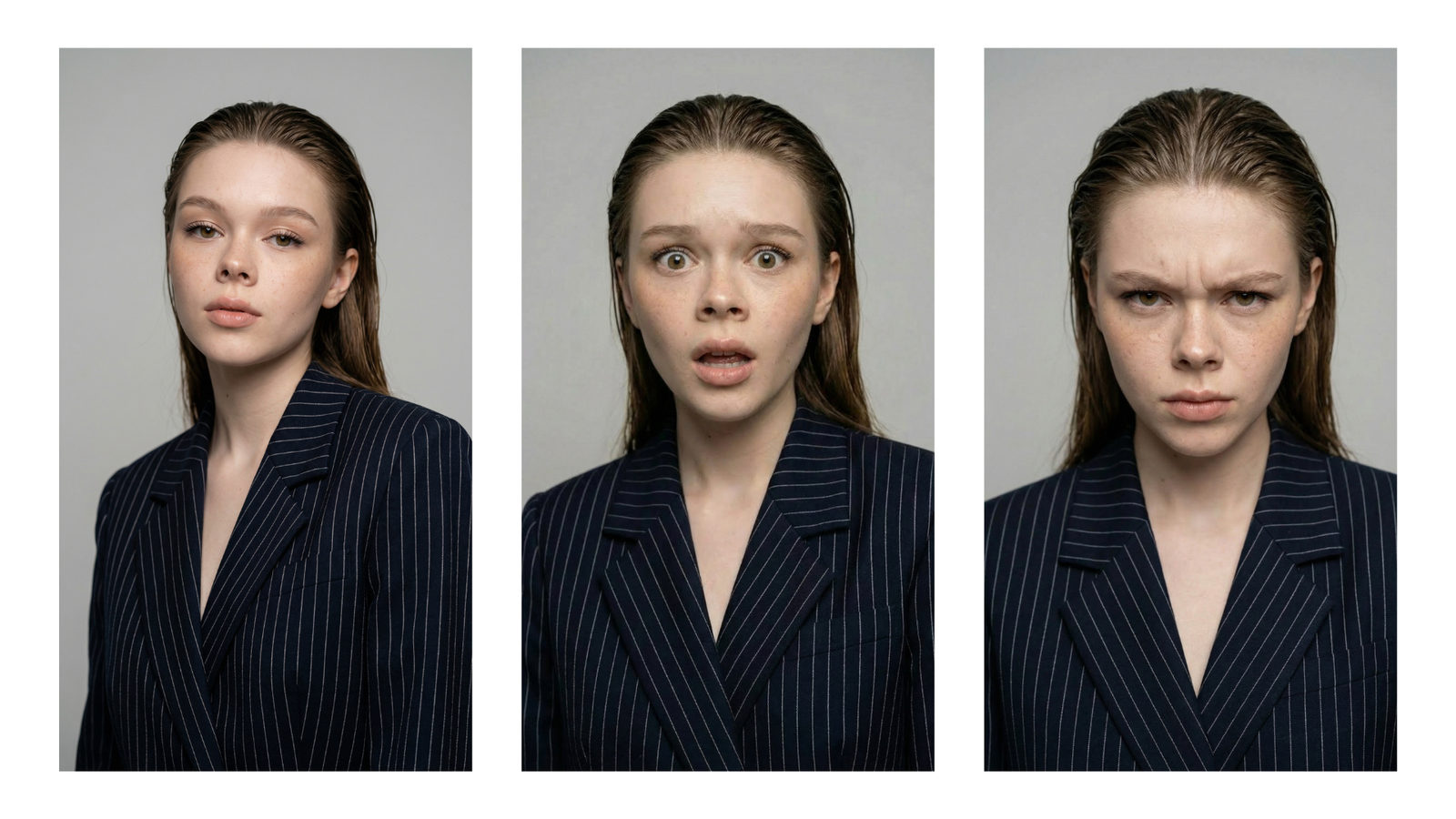
Tutorial
How to Change Emotions in Photos Using PromptSpace Pro

Collection
10 Google Gemini Prompts for Luxury Lifestyle Photos

Prompts
Image Prompts: 40 Copy-Paste Prompts for Midjourney, FLUX & DALL-E (2026)
Guide
AI Headshot Prompts for Resume & Job Applications (2026 Guide)

Comparison
Text-to-Video AI: Runway Gen-4 vs Kling 2.5 vs Free Generators (2026 Comparison)
AI Models
GPT-6 Astra: Features, Pricing, Context Window and API Guide