I used to get garbage results from AI image generators and couldn't figure out why. Same tools as everyone else, but my outputs looked... fine. Never amazing. If that sounds like you, I've been there. After analyzing thousands of prompts and running my own experiments, I've pinpointed the 10 mistakes that kept me stuck - and fixing them immediately leveled up my output from amateur to professional-quality.
Mistake 1: Being Too Vague
"A beautiful landscape" gives you a generic, forgettable image. Fix: "Patagonian mountain range at golden hour, mirror lake reflection, dramatic clouds, shot on Fuji GFX 100S, 32mm wide angle, landscape photography, 8K" - specificity is everything. Every adjective you add gives the AI another data point to work with.Mistake 2: Ignoring Aspect Ratios
Default square outputs waste potential. Fix: Match your aspect ratio to the content. Portraits: 2:3 or 3:4 (--ar 2:3). Landscapes and cinematic: 16:9 or 21:9 (--ar 16:9). Product shots: 1:1 (--ar 1:1). Instagram stories: 9:16. The right aspect ratio instantly makes images look more professional and intentional.Mistake 3: Stacking Contradictory Styles
"Photorealistic anime cyberpunk watercolor" confuses the AI. Pick ONE primary style and be consistent. Fix: Decide upfront - is this a photograph, digital painting, oil painting, or 3D render? Then commit fully with supporting keywords. "Photorealistic" and "anime" in the same prompt fight each other.Mistake 4: Forgetting Lighting
Lighting is the single most impactful element most people skip. Fix: Always specify lighting. Options that work brilliantly: "golden hour", "soft diffused light", "dramatic rim lighting", "Rembrandt lighting", "neon glow", "volumetric fog with backlighting", "overcast flat light". Lighting alone can transform a boring image into a masterpiece.Mistake 5: Using "Highly Detailed" as a Crutch
Every beginner adds "highly detailed, 8K, ultra HD" thinking it improves quality. Sometimes it just adds noise. Fix: Be specific about WHAT should be detailed. "Intricate lace pattern on the dress", "visible skin pores and individual eyelashes", "detailed cobblestone texture" - targeted detail beats blanket detail.Mistakes 6-8: Technical Errors
6. Not using negative prompts in Stable Diffusion - always exclude "blur, low quality, deformed, watermark". 7. Overcrowding prompts with 200+ words - AI attention drops after ~75 words, front-load the important elements. 8. Never iterating - generate 4 variations, pick the best, refine, regenerate. Professional AI artists generate 20-50 images to get one perfect result.Mistakes 9-10: Strategic Errors
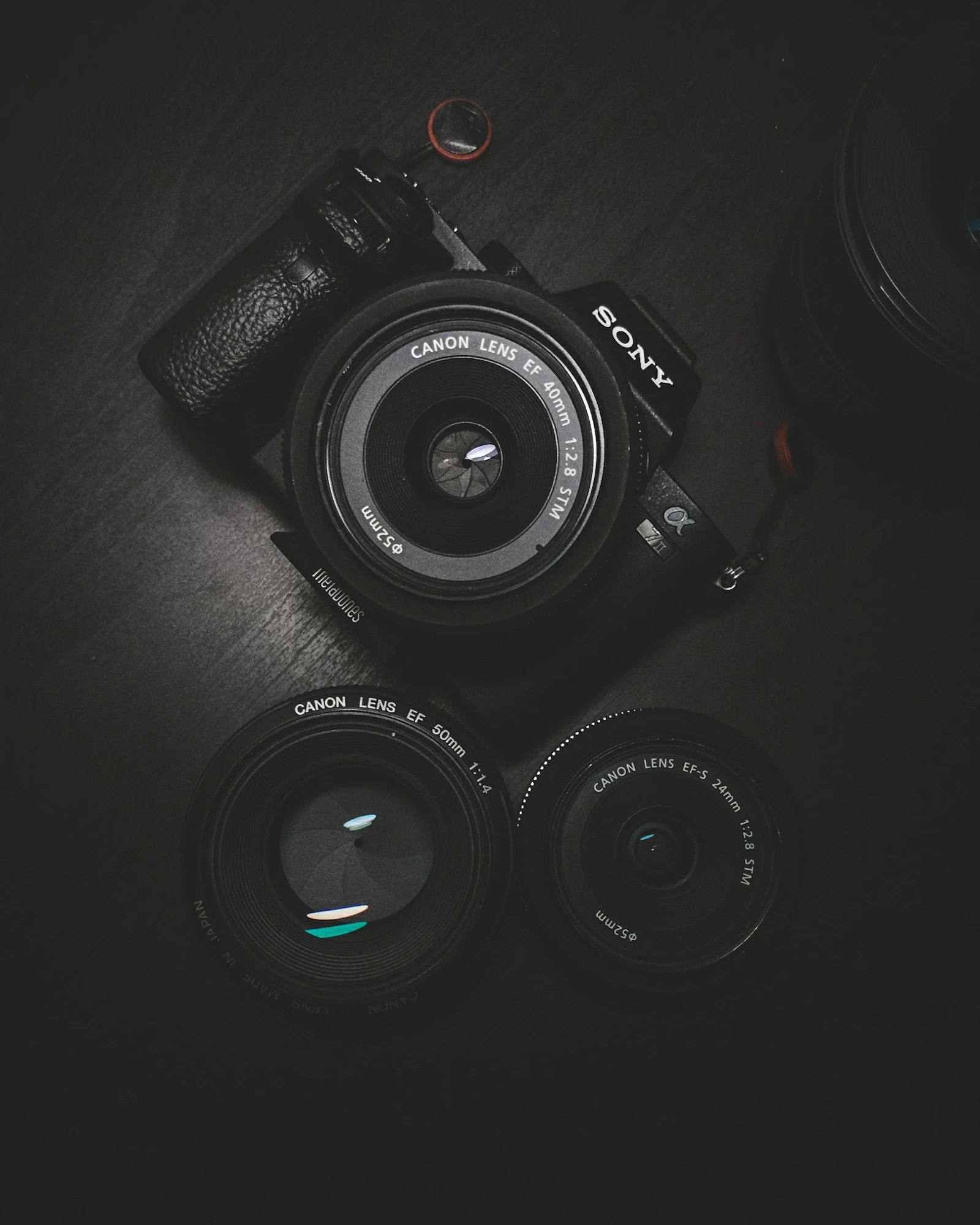
9. Ignoring camera and lens references for photorealism - "Canon EOS R5, 85mm f/1.2" dramatically improves realism because the AI has been trained on tagged EXIF data from millions of real photographs. 10. Not studying what works - browse PromptSpace, look at trending prompts, reverse-engineer why they work. The fastest way to improve is to study and adapt proven prompts rather than starting from scratch every time.The 30-Second Prompt Quality Check
Before you hit generate, verify your prompt has: (1) Clear subject, (2) Specific style/medium, (3) Lighting description, (4) Mood/atmosphere, (5) Technical quality keywords, (6) Correct aspect ratio. If any are missing, add them. This simple checklist will immediately improve 90% of your results. Find thousands of pre-optimized prompts that pass this checklist at PromptSpace.Frequently Asked Questions
Is this free to use? Yes — PromptSpace provides free AI prompts for any AI tool. Try them instantly with our free AI image generator — no account needed.Which AI model works best with these prompts? These prompts work across Midjourney, DALL-E 3, FLUX, and Stable Diffusion. Test in two tools to compare — results vary by model.
Can I use AI-generated images commercially? Yes on paid tiers of Midjourney, ChatGPT Plus, and Adobe Firefly. Always verify the specific platform's terms before commercial use.
How do I improve results if the first output isn't right? Add specific lighting, camera angle, and visual style references. Iterate 3–4 times with small changes to find the best output. One of the fastest ways to level up your prompt writing is to reverse-engineer prompts from images you admire. Our guide to free image-to-prompt tools covers the 8 tools worth using in 2026 plus the manual technique for closing the last-mile fidelity gap.