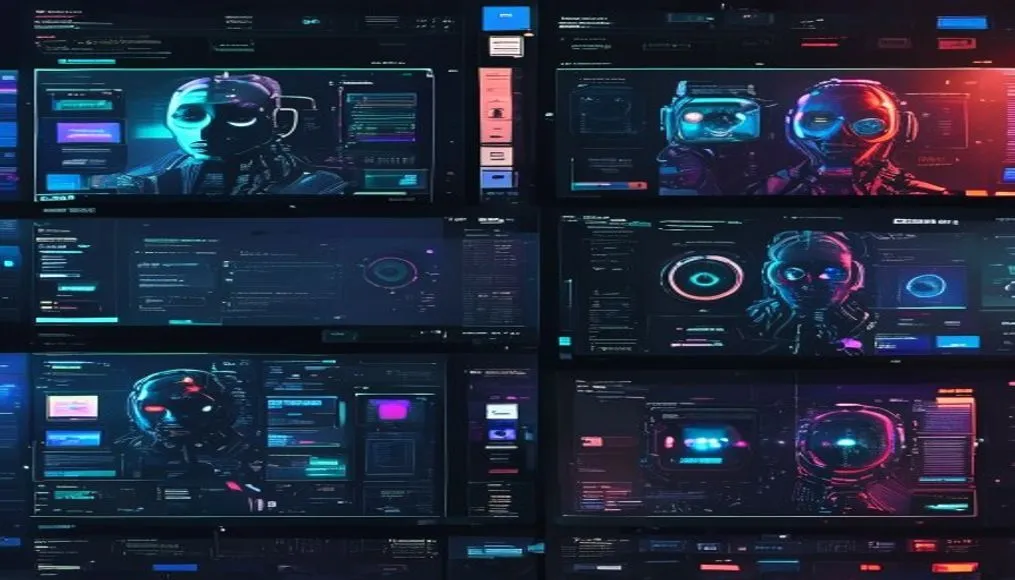
Someone on Reddit recreated a shot from Severance using Seedance 2.0, and other users thought it was actual footage from the show. That's not 'good for AI.' That's just good.
Seedance 2.0 Review: The AI Video Generator That Actually Looks Cinematic ByteDance quietly dropped an AI video generator that understands how cameras actually move in the real world - and creators are losing their minds over it.
Quick Summary: Seedance 2.0 is ByteDance's AI video generator that produces cinematic-quality footage with realistic camera physics and seamless transitions. It outperforms competitors in professional filmmaking applications, making it the leading choice for creators seeking professional-grade AI video generation in 2026.
You know that feeling when you watch AI-generated video and something just feels... off?
The movement is weird. The physics don't quite work. There's this uncanny valley where your brain knows it's not real but can't pinpoint exactly why.
I've been there. I've tested dozens of AI video tools over the past two years, and honestly? Most of them are still stuck in the "cool tech demo" phase. Fun to play with, useless for actual work.
But something different is happening right now.
Seedance 2.0 just changed the game.
And I'm not exaggerating when I say this might be the moment AI video generation stops being a novelty and starts being a real professional tool for AI filmmaking.
What Is Seedance 2.0?
Seedance 2.0 is ByteDance's state-of-the-art AI video generation model that converts text prompts into high-quality, cinematic video clips. Launched in early 2026, it represents a significant advancement in AI filmmaking technology, capable of producing professional-grade footage with realistic camera movements, consistent visual style, and seamless scene transitions.AttributeDetailsDeveloperByteDance (TikTok, CapCut)ReleaseFebruary 2026Primary UseAI video generation, AI filmmakingKey StrengthCinematic camera physics and scene flowClip LengthUp to 10-12 seconds per generationResolutionUp to 1080p
What Is Seedance 2.0? ByteDance's AI Video Generator Explained
Seedance 2.0 is ByteDance's latest AI video generator - yeah, the same company behind TikTok and CapCut. It dropped seemingly out of nowhere, and the AI filmmaking community lost its collective mind.Here's the thing: **People are recreating clips from shows like *Severance* with camera movements that almost perfectly match the original.**
Let that sink in.
We're not talking about generic "cinematic" B-roll anymore. Users are reporting that this AI video generator captures the *flow* between shots - those subtle camera movements, the way a scene transitions, the visual rhythm that makes professional filmmaking feel... professional.
I saw one Reddit post where someone generated a hallway scene that looked so close to the Apple TV show aesthetic that other users thought it was actual footage. That's not "good for AI." That's just good.
The breakthrough isn't resolution or frame rate. It's understanding cinematic language.
Why ByteDance Entered the AI Filmmaking Space
ByteDance understands video creation at scale better than most AI companies. With TikTok and CapCut in their ecosystem, they have unique insights into what creators actually need from an AI video generator.AI Video Generation Goes Mainstream: The Super Bowl Moment
If you're wondering why there's suddenly so much buzz around AI video tools, look no further than what happened during Super Bowl 2026.Approximately 40% of commercials used AI-generated elements this year.
Let me say that again because it's wild: 40% of Super Bowl ads used AI video generation. That's up from an estimated 10-15% in 2025, representing a 167% year-over-year increase in AI adoption for major advertising campaigns.
The Mandalorian & Grogu trailer? Heavy AI generation. Svedka vodka's controversial spot? AI-generated (and heavily debated). Even the big brands - the ones with multi-million dollar budgets - are leaning into AI for production.
Key Statistics:
- 40% of Super Bowl 2026 ads used AI-generated video elements
- $7 million+ average cost per 30-second Super Bowl ad slot
- 167% increase in AI video adoption for major campaigns year-over-year
- 3-5x faster production timelines reported by agencies using AI video tools
This isn't some indie filmmaker experimenting in their bedroom anymore. This is Madison Avenue. This is Hollywood marketing departments. This is the big leagues.
And here's what matters: Once the Super Bowl ads normalize AI video, every marketing team on earth is going to want it.
The question isn't "should we use AI video generation?" anymore. It's "which AI video generator should we use?"
That's why Seedance 2.0's timing is so perfect. It's entering the conversation right when businesses are actively looking for professional-grade AI filmmaking solutions.
Seedance 2.0 Features: What Makes This AI Video Generator Different
Okay, let's get specific about what actually makes Seedance 2.0 stand out. Because I've used enough AI video generators to be skeptical of hype.Realistic Camera Physics
Most AI video generators treat camera movement like an afterthought. You get these weird floating motions, or the camera zooms in ways that don't make physical sense.Seedance 2.0 seems to actually understand how cameras work in the real world. Dolly shots feel like dolly shots. Handheld has that subtle shake. Tracking shots follow subjects naturally.
This matters because our brains are incredibly good at detecting fake camera work. It's one of the main things that makes AI video feel "AI."
Cinematic Transitions and Flow
This is the *Severance* thing I mentioned earlier. When you're watching professional filmmaking, there's a rhythm to how scenes flow together. Cut points feel intentional. Movement between shots creates continuity.Seedance 2.0 captures that flow in a way I haven't seen from other AI video tools. It's not just generating pretty frames - it's generating pretty *sequences* that work together.
Style Consistency Across Scenes
One of the biggest pain points in AI filmmaking is maintaining consistent visuals. You generate a character in one shot, and in the next shot they look completely different. The lighting changes randomly. The color grade shifts.Seedance 2.0 seems better at holding a visual style across multiple shots. For storytelling, this is everything. You can't build narrative momentum if every frame looks like it came from a different movie.
Practical AI Filmmaking Applications for Seedance 2.0
Let's get real about use cases. Because cool tech is nice, but you need to know if this AI video generator can actually help your work.Pre-Visualization for Filmmakers
Storyboarding and pre-vis have always been necessary evils. You need them to plan, but they look nothing like your final product, so stakeholders struggle to visualize the end result.Seedance 2.0 changes the equation. You can generate rough versions of shots that actually look cinematic. Directors can test camera movements before getting on set. Producers can see something that resembles the final product during early pitches.
This isn't replacing cinematographers - it's giving them better tools to communicate their vision.
🔗 *Related: How AI is Changing Pre-Production Workflows - Coming soon*
B-Roll Generation for Content Creators
If you make YouTube videos, you know the pain of needing B-roll footage. Stock video is expensive and generic. Shooting your own takes forever.AI-generated B-roll from Seedance 2.0 could be a legitimate alternative for certain types of content. Need an establishing shot of a futuristic city? Done. Want a cinematic transition between topics? Generate it.
Rapid Prototyping for Marketers
Marketing teams need to move fast. Instead of waiting days for a production company to shoot concept footage, you can generate rough versions in hours. Test concepts, get feedback, iterate, *then* commit to full production.Given what we saw in the Super Bowl, this workflow is clearly already happening at major agencies.
Experimental AI Filmmaking and Art
If you're in the AI art community, you already know. Seedance 2.0 is becoming the tool of choice for people who want to create actual AI-generated cinema, not just AI-generated clips.The combination of quality and (reportedly) less restrictive moderation compared to competitors is making it popular with experimental creators pushing the boundaries of AI filmmaking.
Seedance 2.0 vs Competitors: AI Video Generator Comparison
Let's talk about where Seedance 2.0 fits in the current landscape. Because it's not operating in a vacuum.Seedance 2.0 vs Google Veo
Veo is Google's AI video generator entry, integrated into Gemini. It's good, but users consistently report that it lacks the cinematic flow that Seedance 2.0 captures. Veo feels more like "really good AI video" while Seedance 2.0 feels closer to "actual professional footage."Veo's advantage: Better prompt adherence, integrated into a familiar ecosystem
Seedance 2.0's advantage: Superior camera movement and cinematic quality
🔗 *Related: Google Veo: A Filmmaker's Perspective - Read our full review*
Seedance 2.0 vs Grok Aurora
Aurora is... controversial right now. The AI filmmaking community on Reddit is actively complaining about heavy moderation and inconsistent quality. Lots of "720p 10 secs sucks" type comments. Users feel restricted by what they can generate.Aurora's advantage: Free with SuperGrok subscription, fast generation
Seedance 2.0's advantage: Higher quality output, reportedly less censorship, better for professional use
Seedance 2.0 vs Runway Gen-3
Runway has been the professional standard for AI video generation, but their credit system and pricing frustrate a lot of users. The quality is good, but the cost adds up fast when you're iterating.Runway's advantage: Established platform, lots of control features, proven workflow
Seedance 2.0's advantage: Better camera movement, potentially better pricing (TBD), ByteDance ecosystem integration
🔗 *Related: The True Cost of AI Video Generation: Runway vs Alternatives - Budget breakdown for creators*
Seedance 2.0 vs OpenAI Sora
Ah yes, Sora. The AI video generator that got everyone excited and then... barely released to anyone. Extremely limited access has made it irrelevant for most working creators, even if the quality is high when you can actually use it.Sora's advantage: High quality, good physics when available
Seedance 2.0's advantage: Actually accessible, more practical for real AI filmmaking work
Seedance 2.0 vs Luma Dream Machine
Luma is fast and good for short clips, but struggles with consistency across longer scenes. Great for quick social content, less great for narrative AI filmmaking.Luma's advantage: Speed, simplicity
Seedance 2.0's advantage: Better for longer, more complex scenes
The ByteDance Ecosystem Advantage
Here's something worth considering: Seedance 2.0 isn't just a standalone AI video generator. It's part of ByteDance's broader ecosystem.CapCut has 400 million users. TikTok dominates short-form video. ByteDance understands video creation at scale in a way that most AI companies simply don't.
This matters because:
- They have the distribution to make Seedance 2.0 mainstream fast
- Integration with CapCut could create a seamless workflow (generate in Seedance 2.0, edit in CapCut, publish to TikTok)
- They have the infrastructure to handle massive scale
We're potentially looking at the moment when AI video generation stops being a niche tool and becomes something every creator has access to by default.
🔗 *Related: ByteDance's AI Strategy: From TikTok to Seedance - Deep dive into their tech stack*
Seedance 2.0 Limitations: What We Still Don't Know
Look, I want to be excited about Seedance 2.0, but we need to be realistic about what's still unclear.Pricing isn't official yet. The AI video generator appears to be in a limited access phase, and we don't know what the actual cost structure will look like. If they price it like some competitors (looking at you, Runway credits), it might not be practical for individual creators.
Access is limited. Right now it seems like you need to be in some kind of beta or early access program. The general public can't just sign up and start generating.
Real-world testing is limited. Most of what we know comes from Reddit posts and early adopters. Once more people get their hands on this AI video generator, we'll have a clearer picture of limitations, failure modes, and edge cases.
The moderation question. Some users are claiming Seedance 2.0 has less restrictive content policies than competitors like Aurora, but we don't have confirmation on what the actual guardrails look like.
Why Seedance 2.0 Matters for the Future of AI Filmmaking
I've been watching the AI video generation space for a while, and honestly? Most announcements feel incremental. Slightly better quality. Slightly longer clips. Slightly faster generation.Seedance 2.0 feels different because it suggests we're crossing a threshold. The threshold where AI video generation stops being a tech demo and starts being a professional tool.
When creators are recreating shots from *Severance* and other people can't tell the difference, that's not an incremental improvement. That's a qualitative shift.
The Super Bowl ads proved there's market demand at the highest levels. Seedance 2.0 might be the AI video generator that actually meets that demand.
But here's the thing I keep coming back to: Even the best AI video generator is still just a tool. It doesn't replace creativity, storytelling, or human vision. What it does is remove friction. It lets you iterate faster, test more ideas, and communicate your vision more clearly.
That's worth getting excited about.
How to Get Started with Seedance 2.0
If you're interested in AI video generation - whether you're a filmmaker, marketer, content creator, or just curious - here's my advice:1. Join the Waitlist for Early Access
ByteDance hasn't done a wide release of this AI video generator yet, so watch for announcements about public access. Follow their official channels and AI filmmaking communities for updates.2. Master AI Video Prompt Engineering
Text-to-video prompting is its own skill. The people who master it early will have a massive advantage. Look for guides specifically about:- Camera movements and shot types
- Cinematic language and terminology
- Lighting and atmosphere descriptions
🔗 *Related: The Complete Guide to AI Video Prompts - Master cinematic prompting*
3. Experiment with Available AI Video Generators
Even if you can't get Seedance 2.0 access yet, tools like Runway, Luma, and Veo are worth exploring. Build your AI filmmaking skills so you're ready when the better tools arrive.4. Plan Your AI Filmmaking Workflow
How could AI video generation fit into what you already do? Don't look for ways to replace your current process - look for ways to enhance it.- Where do you spend the most time on video production?
- What types of shots could be generated instead of filmed?
- How can AI speed up your iteration cycles?
Seedance 2.0: Key Takeaways
Seedance 2.0 represents a fundamental shift in AI video generation, delivering cinematic-quality output that rivals professional footage. With superior camera physics, consistent visual style, and seamless transitions, it outperforms competitors like Veo, Aurora, and Runway Gen-3 for professional filmmaking applications. As AI video adoption accelerates-evidenced by 40% of Super Bowl 2026 ads using AI-generated elements-Seedance 2.0 positions itself as the leading tool for creators seeking production-ready results.Final Verdict: Is Seedance 2.0 the Best AI Video Generator?
Seedance 2.0 isn't perfect. We don't know the pricing, access is limited, and the real-world testing is still early.But it represents something important: AI video generation that actually looks cinematic.
Not "good for AI." Not "impressive tech demo." Just... good.
And in a world where Super Bowl commercials are already 40% AI-generated, that matters.
The tools are getting better. The adoption is accelerating. The creative possibilities for AI filmmaking are expanding.
The question isn't whether AI video generation will become mainstream. It's whether you'll be ready when it does.
Ready to Explore AI Video Generation?
Try Seedance 2.0 when it becomes publicly available and experience the future of AI filmmaking firsthand.Explore Alternatives: While waiting for Seedance 2.0 access, test Runway Gen-3, Google Veo, or Luma Dream Machine to build your AI video skills.
Stay Updated: Follow AI filmmaking communities and ByteDance's official channels for the latest Seedance 2.0 announcements and feature updates.
What is Seedance 2.0?
Seedance 2.0 is ByteDance's advanced AI video generator that creates cinematic-quality video from text prompts. It's designed to produce professional-grade footage with realistic camera movements and consistent visual style.Is Seedance 2.0 free to use?
Pricing for Seedance 2.0 hasn't been officially announced yet. The tool is currently in limited access/beta, so details about cost and subscription models are still unknown.How does Seedance 2.0 compare to other AI video generators?
Seedance 2.0 stands out for its superior camera physics, cinematic transitions, and style consistency. Users report it produces more professional-looking results than competitors like Veo, Aurora, and even Runway Gen-3 in certain aspects.Can Seedance 2.0 replace traditional filmmaking?
No, Seedance 2.0 is a tool for enhancement, not replacement. It excels at pre-visualization, B-roll generation, and rapid prototyping, but human creativity, direction, and cinematography remain essential for professional filmmaking.When will Seedance 2.0 be publicly available?
ByteDance hasn't announced a public release date yet. The AI video generator is currently in limited access, with wider availability expected in the coming months.Share this article:
Copy linkXFacebookLinkedIn
Frequently Asked Questions
What is the best free AI video generator? Pika and Kling both offer free tiers. For quick clips without signup, try our free AI video generator.How long does AI video generation take? Most tools generate 4–6 second clips in 1–3 minutes. Longer clips take 3–5 minutes.
Can I use AI-generated videos commercially? Yes on paid tiers — check each platform's terms of service for commercial licensing details.
What makes a good AI video prompt? Specify subject + action + camera movement + lighting + visual style. Camera motion and lighting are the most impactful elements.