DALL-E 3 vs Midjourney: Which Is Actually Better in 2026?
I use both almost every day. They're different enough that "which is better" is genuinely the wrong question — it's more like asking whether a DSLR or a film camera is better. The answer is: better for what? After running hundreds of parallel tests on the same prompts in both tools, here's my honest breakdown of where each one wins.
Table of Contents
Quick Verdict by Use Case
Before the deep dive, here's the table I wish existed when I started:
- Product photography mockups: Midjourney wins
- Text-heavy images (posters, signs, UI mockups): DALL-E 3 wins
- Editorial illustration / concept art: Midjourney wins
- Casual use, no Discord: DALL-E 3 wins
- Portrait photography: Midjourney wins
- Following a specific verbal brief exactly: DALL-E 3 wins
- Fine art, painterly styles: Midjourney wins
- Budget-conscious occasional users: DALL-E 3 wins
DALL-E 3 wins on accessibility and prompt adherence. Midjourney wins on visual quality and aesthetic range.
Photorealism: Midjourney Has the Edge, But DALL-E 3 Is Closing
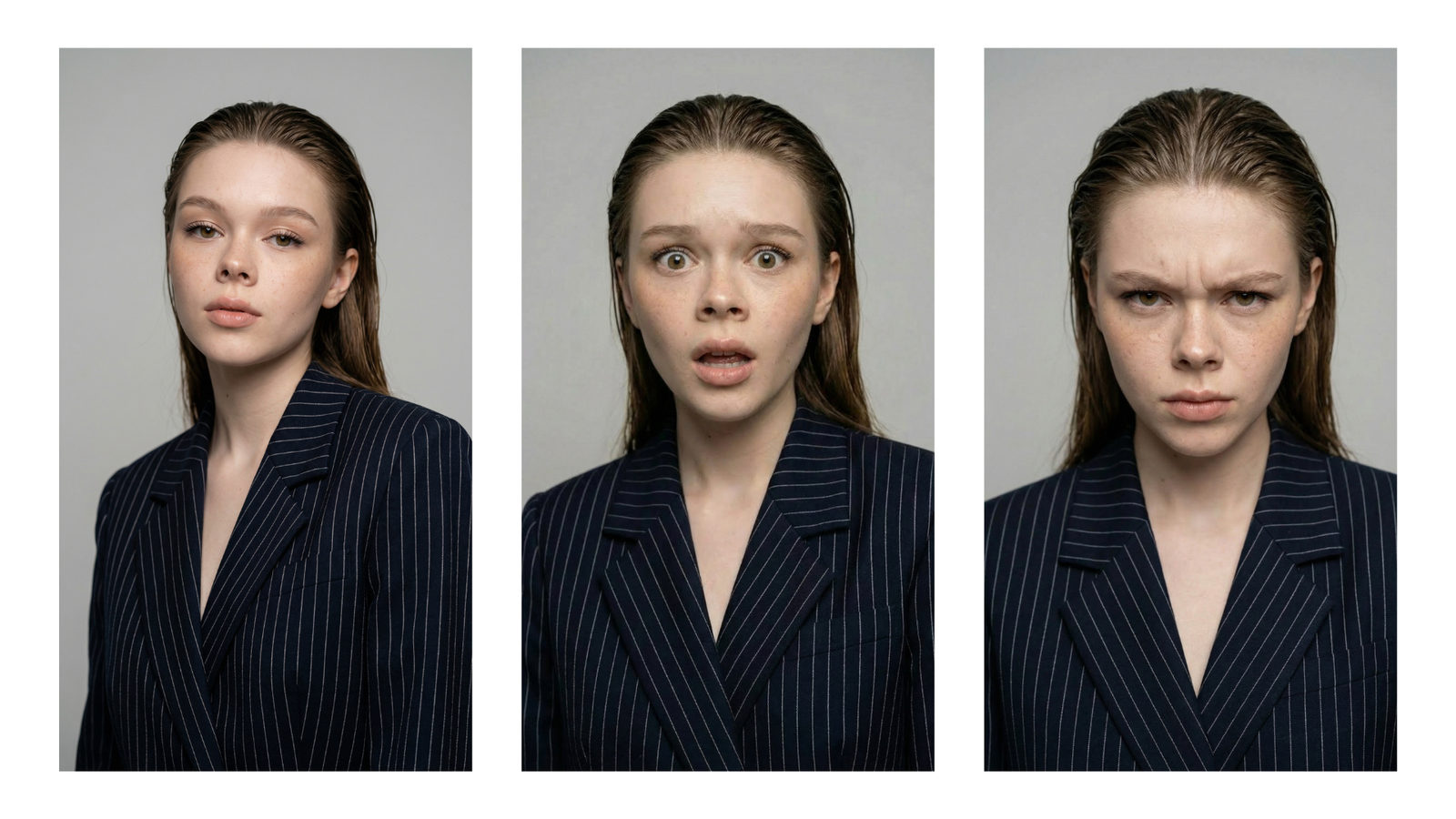
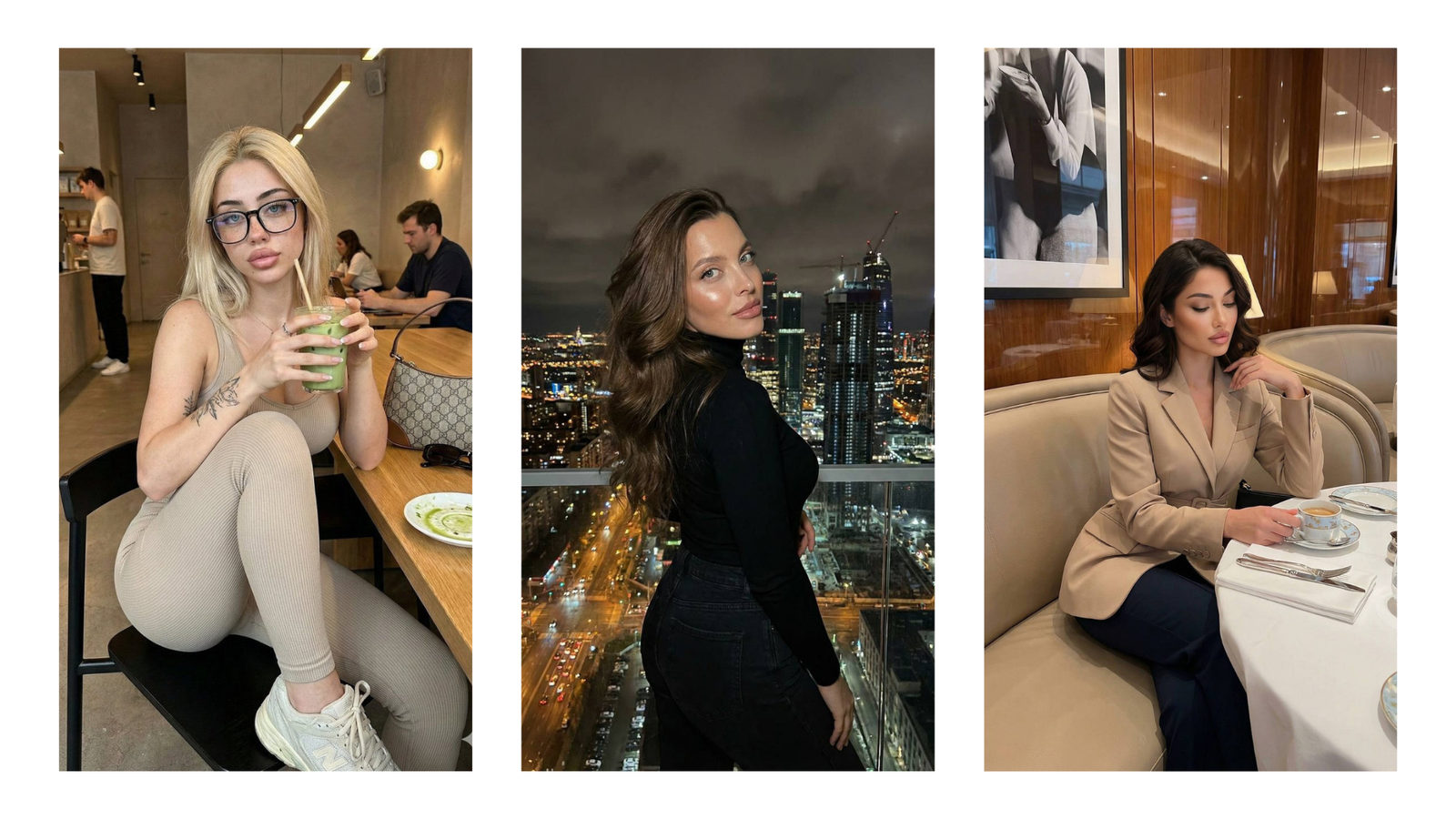
For photorealistic human portraits, Midjourney v6 is still ahead. The skin texture, the way hair catches light, the micro-detail in eyes — Midjourney handles these with a consistency that DALL-E 3 still occasionally fumbles. The "uncanny valley" feeling that plagued early AI portraits is mostly gone from Midjourney. DALL-E 3 still produces it occasionally, particularly with hands and with faces viewed from unusual angles.
For product photography — gadgets, furniture, food — the gap is smaller. DALL-E 3's literal prompt interpretation is an asset here. If you need "a white ceramic mug with the logo 'NOVA' on it, studio lighting, white background," DALL-E 3 follows that exactly. Midjourney might render something aesthetically beautiful that's 15% different from what you asked for.
The Landscape Exception
For landscape and environment photography — dramatic skies, mountains, coastal scenes — the gap between them nearly disappears. Both produce stunning results. Midjourney's results tend to be more dramatic and stylized; DALL-E 3's tend to be more straightforwardly photographic. Which you prefer is aesthetic preference, not quality difference.
Art Styles and Illustration: Midjourney by a Wide Margin
This is where Midjourney's training advantage shows most clearly. When you ask for specific art styles — Baroque oil painting, Studio Ghibli anime, Art Nouveau poster design, 1970s pulp sci-fi paperback cover — Midjourney has absorbed those aesthetics at a depth that shows in the output.
DALL-E 3 can produce passable versions of many styles, but they often feel like illustrations of the style rather than examples of it. Midjourney seems to understand aesthetic vocabulary from the inside; DALL-E 3 often interprets style descriptions more literally and produces something that checks the boxes without quite capturing the essence.
For illustrators and artists using AI as a creative collaborator, Midjourney is the professional-grade tool. The ceiling is higher and the aesthetic vocabulary is richer.
Text in Images: DALL-E 3 Wins Decisively
This was a running joke for years — both tools were awful at putting legible text into images. DALL-E 3 fixed this significantly. For posters, banners, product labels, and any image where readable text is a requirement, DALL-E 3 is the practical choice. It won't always be perfect, but it's consistently better than Midjourney, which still struggles with multi-word text and unusual fonts.
If you need a storefront sign, a book cover with legible title, or an event poster with a specific headline, start with DALL-E 3 and save yourself the frustration.
Prompting Experience: Very Different Philosophies
This is the biggest practical difference for most users — not image quality, but how you actually work with each tool.
DALL-E 3 (Conversational)
DALL-E 3 lives inside ChatGPT, which means you prompt it the way you'd describe an image to a human illustrator. Conversational, iterative, specific. You can say "make her hair shorter and change the background to a bookshop" and it understands. You can say "I want this to look like a 1960s NASA mission poster" and it interprets that reference.
The guardrails are tighter — certain content types trigger refusals, and the system is conservative about real-person likenesses. But for most business and creative use cases, those guardrails aren't a problem.
Midjourney (Parameter-Based)
Midjourney rewards investment in prompt craft. The formula structure — subject, style, lighting, mood, params — produces better results than conversational descriptions. You can't iterate conversationally ("change her hair"), but you can use image references and style references via --sref and --cref parameters to achieve consistent character and style across images.
It runs through Discord, which is clunky for new users but becomes second nature. The community aspect is a genuine advantage — thousands of prompts are shared publicly, and you can see exactly what prompt produced each image.
Explore PromptSpace's gallery for tested Midjourney prompts you can copy directly — organized by style and output type.
Consistency and Control
Character Consistency
If you need the same character to appear across multiple images — same face, same outfit — Midjourney's --cref (character reference) parameter makes this significantly more reliable. DALL-E 3 can maintain general character traits across a conversation session, but cross-session character consistency requires workarounds.
Style Consistency
Midjourney's --sref (style reference) parameter lets you lock in a visual style from an image you provide. For brand work where you need consistent visual language, this is hugely practical. DALL-E 3 can describe and approximate a style, but can't reference an image for style transfer in the same way.
Cost Comparison (2026)
DALL-E 3 is included in ChatGPT Plus ($20/month), which also gives you access to GPT-4o, GPT-4.5, and all other ChatGPT features. If you're already paying for ChatGPT Plus, DALL-E 3 is essentially free marginal cost.
Midjourney starts at $10/month (Basic: ~200 images) and goes to $30/month (Standard: unlimited relaxed generations). For heavy professional use, the Standard plan is the practical choice.
For occasional personal users: ChatGPT Plus covers you. For professional creative work at volume: Midjourney is worth the dedicated subscription.
Where Each One Actually Wins
Use DALL-E 3 When:
- You need readable text in the image (signs, posters, UI mockups)
- You're iterating conversationally and need the AI to follow specific changes
- You want to describe a scene in natural language rather than learning prompt syntax
- You're already in ChatGPT and need a quick image, not a professional production
- Your use case involves sensitive topics where Midjourney's less-chatty guardrails help
Use Midjourney When:
- Visual quality is the primary criterion
- You need fine art, painterly styles, or deep aesthetic vocabulary
- You need character or style consistency across a series
- You're producing professional portfolio work, commercial photography, or editorial illustration
- You want community and shared prompt resources
What Neither Does Well
Both tools struggle with accurate geometry and physics. Complex architectural drawings, perspective-correct technical diagrams, and anything requiring precise spatial relationships between multiple objects — these still require human correction or Photoshop cleanup.
Both tools handle hands better than they did two years ago, but neither is fully reliable. Any image where hands are prominent and close to camera is still worth double-checking and probably regenerating two or three times.
Neither tool produces finished, client-ready professional output without some human post-processing. The gap between "impressive AI output" and "ready to present" is smaller than it used to be, but it's still real. Factor in cleanup time when planning projects.
Frequently Asked Questions
Can I use both tools together on the same project?
Yes, and it's often the right call. A common workflow: use DALL-E 3 to quickly iterate on concept and composition, then once you know what you want, run the finalized prompt through Midjourney for the high-quality final output. You get DALL-E 3's conversational iteration speed and Midjourney's output quality.
Which is better for generating images for blog posts or websites?
Midjourney for hero images and illustrations where visual polish matters. DALL-E 3 for informational images, diagrams, or any image that needs text labels. For a blog with a mix of both needs, having access to both tools is genuinely useful rather than redundant.
Does DALL-E 3 work without a ChatGPT subscription?
DALL-E 3 is available via ChatGPT free tier with usage limits, or through the OpenAI API with per-image pricing. For occasional personal use, the free tier may be sufficient. Professional use cases typically warrant ChatGPT Plus for the unlimited generation within rate limits.
Which has better content moderation — is one more restrictive than the other?
DALL-E 3 has stricter content policies overall, particularly around real-person likenesses and certain mature themes. Midjourney's policies are more permissive on creative content but still prohibit explicit adult content on standard plans. If your project requires specific content that you've found triggering false-positive refusals, testing both tools on your exact use case before committing is worth the time.
The honest answer to "which is better" is that both tools have earned their place in a professional AI image workflow. Pick the one that fits your specific task this week. The getting started guide covers both tools for new users, and the prompt gallery has tested prompts for both.