"It works on my machine" remains one of the most notorious developer headaches in 2026. Whether you’ve just cloned a repository, switched branches, or joined a new project, the first 20 minutes often get lost in guessing why your code refuses to run. Environment discrepancies, mismatched dependencies, or misconfigured settings silently sabotage your workflow. Enter the env-doctor skill — a game-changing AI assistant that systematically diagnoses and resolves environment issues so you can get back to coding faster and with less frustration.
What is Env-doctor?
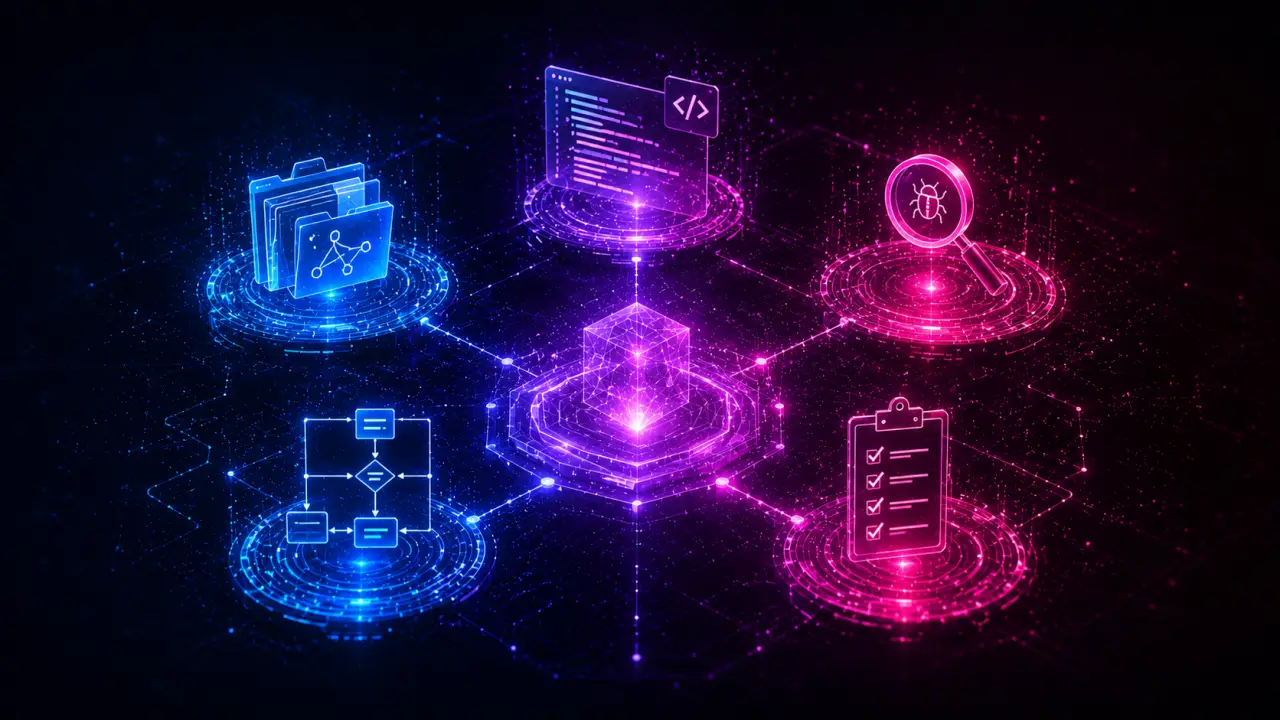
Env-doctor is an AI-powered skill designed to methodically analyze your development environment and pinpoint exactly why a project won’t start or run correctly. Instead of burying you under cryptic error messages or vague “dependency issues,” env-doctor runs through a comprehensive checklist — verifying runtime versions, dependencies, environment variables, database connections, port availability, and build artifacts. It then delivers clear, actionable steps to fix the problems it uncovers. This structured approach eliminates guesswork and accelerates onboarding, debugging, and switching between projects.Why Environment Issues Persist
Environment problems crop up because modern software projects often depend on a complex web of tools, libraries, and system settings. A slight mismatch in Node.js versions, a missing environment variable, or a conflicting package version can cause everything to break. Developers often waste time manually checking each factor, running commands like `node -v`, `pip freeze`, or hunting through `.env` files. Env-doctor automates this detective work with AI precision, saving valuable time and reducing cognitive load.How Env-doctor Works: Step-by-Step Diagnosis
Env-doctor follows a logical, layered approach to diagnosing environment problems. Here's how it typically works under the hood:1. Runtime Version Checks: Env-doctor first verifies whether the correct runtime versions are installed and active. For example, if your project requires Node.js 18.x but you have 16.x installed, env-doctor will detect this mismatch. It supports multiple runtimes — Node.js, Python, Ruby, Go, Java, and more — and checks the version against the project’s configuration files like `.nvmrc`, `runtime.txt`, or `engines` field in `package.json`.
2. Dependency Verification: Next, it assesses if all dependencies are installed and compatible. Env-doctor examines package managers' lock files (`package-lock.json`, `Pipfile.lock`, `Gemfile.lock`) to ensure the installed versions match the expected ones. It flags missing packages, version conflicts, or outdated dependencies that could cause runtime errors.
3. Environment Variables Inspection: Many projects rely on `.env` files or environment variables configured in the shell. Env-doctor scans for missing or misconfigured environment variables, such as API keys, database URLs, or feature flags, that are critical for startup. It also detects typos or variables set to placeholder values.
4. Database and External Service Connections: If your project depends on databases or external services, env-doctor attempts to connect using the environment’s current configuration. It reports connection failures, authentication issues, or missing services that need attention.
5. Port and Process Conflicts: Env-doctor checks if expected ports are free or already occupied by other processes, which can block servers from starting. It suggests remedies like killing conflicting processes or changing port settings.
6. Build Artifacts and Cache Validity: Finally, it verifies if build artifacts are present and up to date. For compiled languages or frontend projects, stale caches or missing build files can cause startup failures. Env-doctor recommends cleaning caches or rebuilding when necessary.
Practical Example: Diagnosing a Node.js Project with Env-doctor
Imagine you just cloned a React project but running `npm start` throws errors. Here’s how env-doctor helps:- It checks your Node.js version against the `.nvmrc` file and finds you’re running v14 instead of the required v18. Env-doctor advises upgrading Node or switching versions using nvm. - It inspects `package-lock.json` and detects that some dependencies are missing because you skipped `npm install`. A prompt reminds you to install packages. - Env-doctor scans your `.env` file and flags a missing `REACT_APP_API_URL` variable, which is mandatory for the app to fetch data. - It attempts to ping the backend API at the configured URL and notices a connection timeout, suggesting the backend service is down or unreachable from your environment. - It checks port 3000 and finds another process using it, recommending you terminate the conflicting process or run the server on a different port.
By following env-doctor’s guided suggestions, you fix the Node version, install dependencies, correctly set environment variables, verify backend availability, and resolve port conflicts — all within minutes.
Real-World Tips for Using Env-doctor Effectively
- Integrate Early in Onboarding: Use env-doctor as part of your project setup checklist. Running it right after cloning a repo ensures environment consistency from the start. - Combine with CI/CD: Automate environment checks in your continuous integration pipelines to catch issues before they reach developers or production. - Customize Skill Configurations: Tailor env-doctor’s checks by providing custom SKILL.md files that reflect your project’s unique requirements and workflows. - Leverage AI Explanations: When env-doctor reports an issue, read the explanations carefully. Its AI-driven diagnostics often include context and rationale, which help deepen your understanding and prevent similar problems. - Regular Environment Audits: Run env-doctor periodically, especially after dependency updates or system changes, to proactively detect breaking changes before they cause downtime.Troubleshooting Beyond Env-doctor
While env-doctor dramatically reduces environment-related debugging time, some issues may need manual intervention. For example, complex network configurations, hardware limitations, or platform-specific quirks might require deeper investigation. Use env-doctor as your first line of defense, then dive deeper with traditional debugging tools like log analysis, profilers, or containerization.Conclusion
Env-doctor transforms the frustrating trial-and-error of environment debugging into a streamlined, intelligent process. By systematically verifying runtimes, dependencies, environment variables, service connectivity, and build readiness, it equips developers with clear insights and fixes. Whether you’re onboarding to a new project, switching branches, or maintaining legacy code, env-doctor is an indispensable assistant that helps make "it works on my machine" a reality for everyone — not just you. Try env-doctor today to reclaim your time and sanity in development.Frequently Asked Questions
Is the content on this page free to use? Yes — all resources on PromptSpace are completely free. Try our free AI image generator or browse 4,000+ AI prompts at no cost.How do I get started with AI tools? Start with a clear goal and specific prompts. The more detail you provide — audience, format, tone, constraints — the better the AI output.
Can I use AI outputs commercially? On paid tiers of major platforms, yes. Always verify the specific tool's terms of service for your use case.
Where can I find more AI resources? PromptSpace has 4,000+ free AI prompts and 150+ free tools — browse the library or try the AI image generator.