I spent three days making a comic last month. Generated the perfect protagonist on panel one - right face, right energy, right everything. Panel two? Completely different person. Same prompt, same seed, different face. I almost threw my laptop out the window. That exact frustration is why the --cref feature in Midjourney V7 had the AI art community losing its collective mind when it dropped. Character Reference uses facial recognition and body structure mapping to keep your characters looking identical across dozens of generated images. Upload a reference photo, add --cref to your prompt, and suddenly your protagonist stays consistent through action sequences, different lighting, different art styles, and different backgrounds. This is the feature that makes AI image generation viable for actual storytelling - and I'm going to show you exactly how to use it without the headaches I went through figuring it out.
What Is Character Reference (and Why Should You Care)
Character Reference is Midjourney's answer to the consistency problem. According to Midjourney CEO David Holz, V7 uses "a totally different architecture" with "much smarter text prompt understanding" (TechCrunch, April 2025). The Character Reference system specifically uses advanced facial recognition and body structure mapping to keep your characters looking identical across multiple generations.Here's how it works: you upload a reference image of your character. Add --cref [image URL] to your prompt. Midjourney analyzes facial structure, body proportions, clothing details, and distinctive features. Then it generates new images maintaining those characteristics.
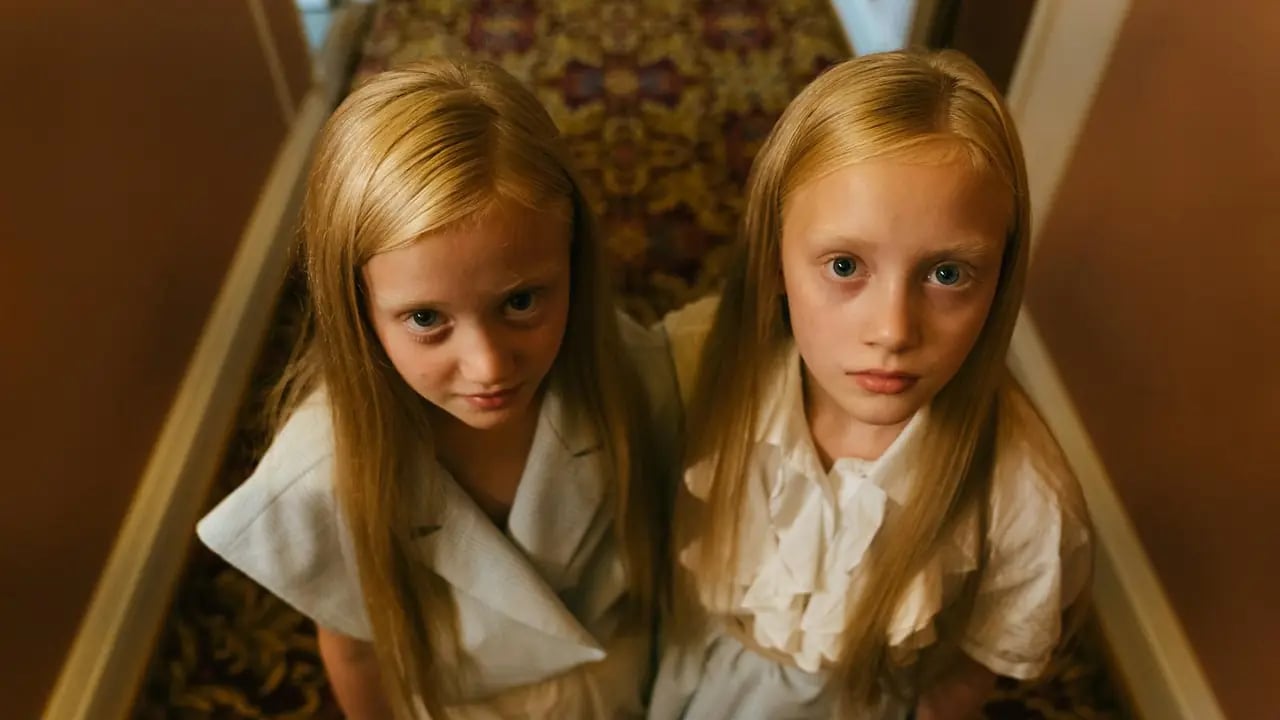
The result? Your character in different poses. Different lighting. Different backgrounds. Different art styles. Same person.
This changes everything for creators. Comic artists can finally generate consistent characters across panels. Authors can visualize their protagonists throughout a story. Marketers can create campaigns with recognizable brand characters. Game developers can prototype character designs that actually stay consistent.
How to Actually Use --cref (Without Losing Your Mind)
The syntax is simple, but the technique matters. Here's the exact workflow that works:Step 1: Create Your Base Character
First, generate your character without any reference. Get the look exactly right. This is your source image. Save it. Cherish it. This is your golden reference.
Step 2: Upload and Reference
Upload your base image to Discord (or wherever you're using Midjourney). Right-click, copy link. Now add --cref [URL] to any prompt.
Example:
a female detective standing in a rainy alley, noir style, cinematic lighting --cref https://cdn.discordapp.com/...
Step 3: Control the Consistency
Here's where it gets interesting. You can control how strictly Midjourney adheres to your reference using character weight (--cw).
--cw 100 (default): Maximum consistency. Face, hair, clothing, body type-all locked in.
--cw 50: Balanced approach. Maintains facial features but allows some flexibility on clothing and pose.
--cw 0: Face only. Keeps the facial structure but everything else can change.
Most of the time, you'll want --cw 100. But if you're putting your character in different outfits or want more dynamic poses, drop it to 50.
The Real-World Results (With Examples)
I spent three days testing Character Reference across different scenarios. Here's what actually works and what doesn't.Comic Book Panels: A+
Generated a cyberpunk mercenary character. Used --cref across 8 different action poses. Result? Consistent face, consistent scars, consistent body armor. The panels look like they came from the same artist. This is genuinely revolutionary for indie comic creators.
Different Art Styles: Surprisingly Good
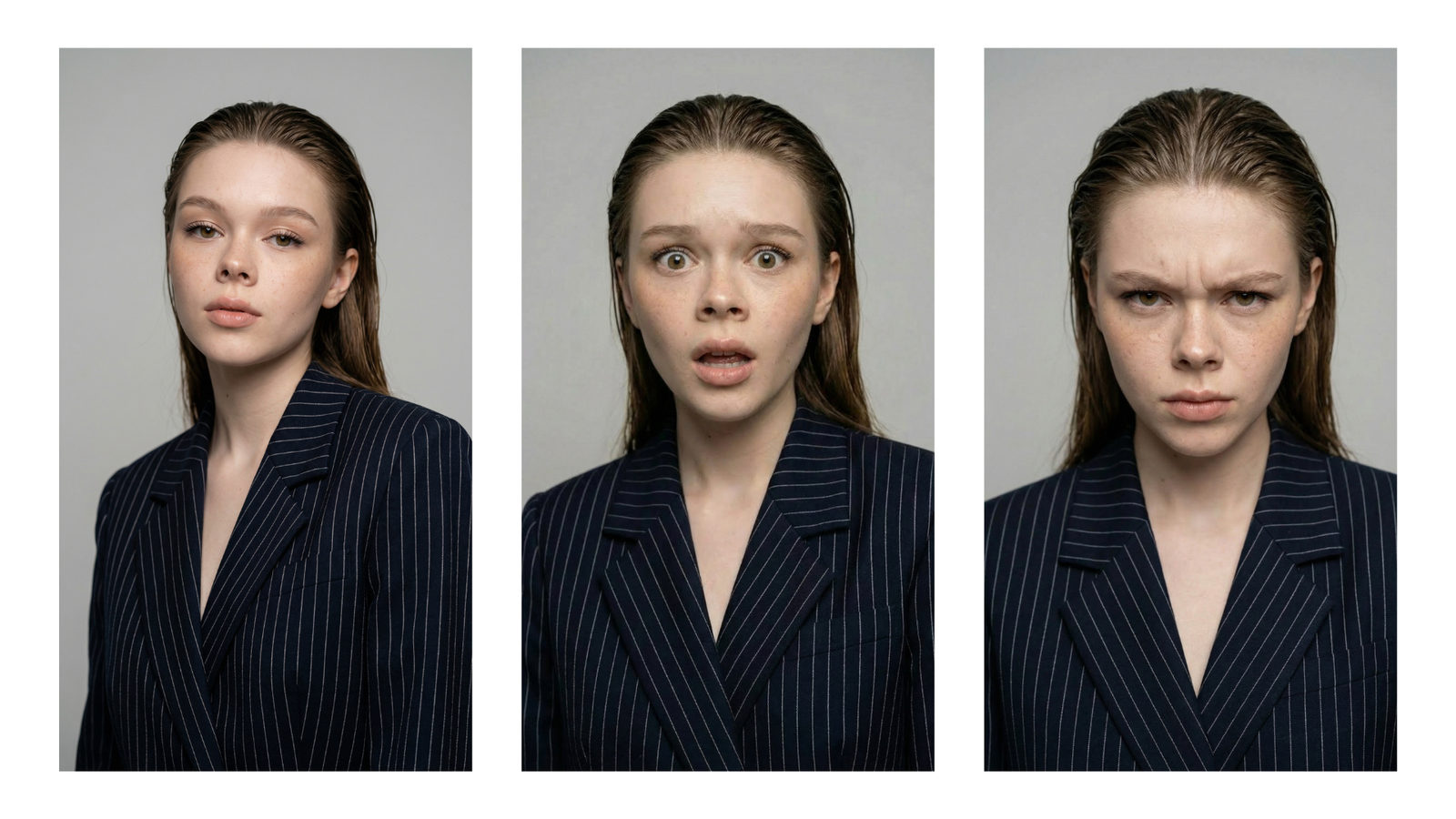
Took a photorealistic character reference and generated them in anime style, watercolor, and oil painting. The facial structure stayed consistent. The vibe stayed consistent. Even distinctive features like a crooked nose and specific hairstyle translated across styles.
Age Progression: Mixed Results
Tried generating the same character at different ages. Young adult to elderly. The face maintained family resemblance but the consistency wasn't perfect. Still better than manual prompting, but you'll need multiple reference images for significant age jumps.
Multiple Characters: Works Great
You can reference multiple characters in one image using multiple --cref tags. Generated a scene with two characters talking. Each maintained their distinct features. Just remember to use character weight to prevent them from blending into each other.
Advanced Techniques That Actually Matter
Once you master the basics, here are the techniques that separate amateur results from professional ones:Combine with Style Reference
Use --cref for character consistency and --sref for style consistency. This locks both your character AND your art style across generations. Essential for comic projects.
Example:
a warrior standing on a battlefield --cref [character URL] --sref [style URL] --sw 200
Use Character Sheets
Generate multiple angles of your character in one image (front, side, 3/4 view). Use this as your reference. It gives Midjourney more data to work with and improves consistency across different poses.
Create Reference Libraries
Build a folder of your best character references. Name them clearly. When you need to bring a character back, you have your source ready. This is your character bible.
Fixing Common Problems
Character drifting? Increase your character weight to 100. Face looks right but outfit is wrong? You're probably using an image where clothing dominated the visual. Crop your reference to focus on the face.
Lighting looks inconsistent? That's expected-cref preserves character features, not lighting conditions. Specify your lighting in the prompt.
The Business Impact (Why This Matters for Professionals)
Character Reference isn't just a cool feature. It's a business tool.For Authors:
Self-published authors can now create consistent character artwork for book covers, promotional materials, and social media. No more hiring artists for every single image. Your protagonist looks the same on the cover, in ads, and on merch.
For Marketing Teams:
Brand mascots and characters can be generated consistently across campaigns. Same character. Different contexts. Massive cost savings on character design and illustration.
For Game Developers:
Rapid prototyping with consistent characters. Generate concept art, dialogue scenes, and promotional materials using the same reference. Your pre-production just got 10x faster.
For Comic Creators:
This is the big one. Indie creators can now produce professional-quality comics without a team of artists. Consistent characters across panels was the last barrier. It's gone now.
Limitations (Let's Be Real)
Character Reference is incredible. It's not magic.Extreme Angles Struggle:
Profile views and extreme foreshortening don't always maintain perfect consistency. The system works best with front-facing and 3/4 angles.
Complex Accessories:
Highly detailed jewelry, specific clothing patterns, or unique weapons might not translate perfectly. You may need to regenerate or manually fix these elements.
Facial Expressions:
Subtle expressions work great. Extreme expressions (screaming, crying, laughing hysterically) can sometimes distort features. Plan your shots accordingly.
Racial and Cultural Sensitivity:
The system can sometimes flatten cultural distinctiveness when pushed too hard on consistency. Be mindful and intentional with your references.
The Competition Is Already Behind
Here's the reality: Midjourney just lapped the competition.DALL-E 3? No character consistency features. Stable Diffusion? Possible with complex workflows and multiple models, but not built-in. Adobe Firefly? Nothing comparable.
Midjourney V7's Character Reference is the first truly usable solution to AI's consistency problem. And it's available to everyone with a Midjourney subscription right now.
If you're serious about using AI for character-driven content, this is your tool. The others aren't even close.
Getting Started Today
Ready to try it? Here's your action plan:- Upgrade to Midjourney V7 if you haven't already
- Generate your first character reference image
- Experiment with --cref and different --cw values
- Try combining with --sref for locked-in style
- Build your character library
Start simple. One character. Three scenes. Compare the results. Once you see what's possible, you'll understand why this feature is being called the most important AI image generation update of 2026.
The consistency problem is solved. What are you going to create?
FAQ
What is Midjourney's Character Reference feature?Character Reference (--cref) is a V7 feature that maintains consistent character appearances across multiple AI-generated images using facial recognition and body mapping technology.
How do I use Character Reference in Midjourney?
Add --cref [image URL] to your prompt, referencing a source image of your character. Use --cw (character weight) to control consistency levels from 0-100.
Does Character Reference work with different art styles?
Yes. You can maintain facial features and body structure across photorealistic, anime, watercolor, and other art styles while keeping the character recognizable.
Can I reference multiple characters in one image?
Yes. Use multiple --cref tags with different image URLs to include multiple consistent characters in a single generation.
Is Character Reference available on all Midjourney plans?
Yes, Character Reference is available to all Midjourney V7 users regardless of subscription tier.
What is the difference between --cref and --sref?
--cref maintains character consistency (faces, bodies). --sref maintains style consistency (art style, colors, textures). They can be used together.
Why do my character references sometimes look different?
Extreme angles, extreme expressions, or low-quality reference images can affect consistency. Use clear, front-facing reference images for best results.
Ready to Create Amazing AI Images?
If this got you excited about AI image generation, head over to promptspace.in to discover thousands of creative prompts shared by our community. Whether you're using Nanobanana Pro, Gemini, or other AI tools, you'll find prompts that help you create stunning images without the guesswork.Share this article:
Copy linkXFacebookLinkedIn